Imagine reaching for your beloved automatic watch, only to find it quietly resting, its hands still. A slight sigh escapes you as you realize it’s time to manually wind it, reset the date, and painstakingly adjust any intricate complications before you can even begin your day. Sound familiar? This is precisely where an Automatic Watch Winder steps in, transforming a minor inconvenience into seamless luxury. This ingenious device is more than just a fancy box; it’s a dedicated guardian for your self-winding timepieces, ensuring they’re always ready to grace your wrist, perfectly wound and set.
What is an Automatic Watch Winder and Why Do You Need One?
At its core, an automatic watch is a marvel of micro-mechanics, powered by the natural motion of your wrist. Inside, a weighted rotor spins with your movements, winding the mainspring and storing the kinetic energy needed to keep time. It’s a testament to traditional horology, a delicate dance of gears and springs that doesn’t rely on batteries. However, when these beautiful machines are taken off your wrist for more than their power reserve allows – usually 35 to 70 hours – they simply stop.
An automatic watch winder is designed to mimic that natural wrist movement. It gently rotates your automatic watch on a programmed schedule, ensuring the mainspring remains consistently wound. Think of it as a stand-in for your wrist when your watch isn’t being worn. This means no more fiddling with the crown, no more resetting the date, and no more adjusting those complex calendar or moon phase functions. It’s a dedicated companion for your automatic timepieces, keeping them in prime condition.
The Undeniable Benefits of Using an Automatic Watch Winder
Investing in an automatic watch winder might seem like a luxury, but for any enthusiast or collector, it’s a wise decision that offers a wealth of practical advantages.
Unparalleled Convenience and Readiness
The most immediate benefit is sheer convenience. Imagine owning several automatic watches and rotating them based on your outfit or occasion. Without a winder, each unworn watch would eventually stop, demanding a full manual reset every time you wish to wear it. This can be particularly time-consuming for watches with complex complications like perpetual calendars or moon phases. An automatic watch winder keeps your entire collection wound and ready, saving you precious minutes and effort. Just pick it up, put it on, and go!
Preserves Movement Health and Longevity
Beneath the dial of your automatic watch lies an intricate ecosystem of tiny gears, springs, and pivots, all requiring precise lubrication. When a watch stops for extended periods, these lubricating oils can settle, thicken, or even congeal. This can lead to increased friction when the watch starts again, causing unnecessary wear and tear on delicate components. Regular, gentle movement provided by an automatic watch winder ensures these oils remain evenly distributed, promoting smooth operation and significantly extending the lifespan of your timepiece’s movement.
Protects Your Valued Investment
High-end automatic watches are more than just accessories; they are often significant investments and cherished heirlooms. Proper care is paramount to maintaining their value and condition. By preventing your watches from stopping and eliminating the need for frequent manual winding and resetting (which can stress the crown and stem), an automatic watch winder acts as a protective shield, safeguarding the intricate mechanics and aesthetic integrity of your prized possessions.
Elegant Showcase and Secure Storage
Beyond its functional benefits, a quality automatic watch winder doubles as an elegant display case. Many models are crafted from premium materials like fine wood, luxurious leather, or sleek carbon fiber, often featuring glass tops that allow you to admire your collection. This not only keeps your watches organized but also protects them from dust, accidental bumps, and environmental fluctuations, all while showcasing them as the works of art they are.
Exploring the World of Automatic Watch Winder Types
Just like watches themselves, automatic watch winders come in a fantastic array of styles, sizes, and functionalities to suit every collector’s needs and aesthetic preferences. Understanding these types will help you narrow down the perfect match.
By Capacity: From Single to Multi-Watch Units
- Single-Watch Winders: Ideal for individuals with one primary automatic timepiece or those who want to dedicate a winder to a specific watch. They are compact and often very quiet.
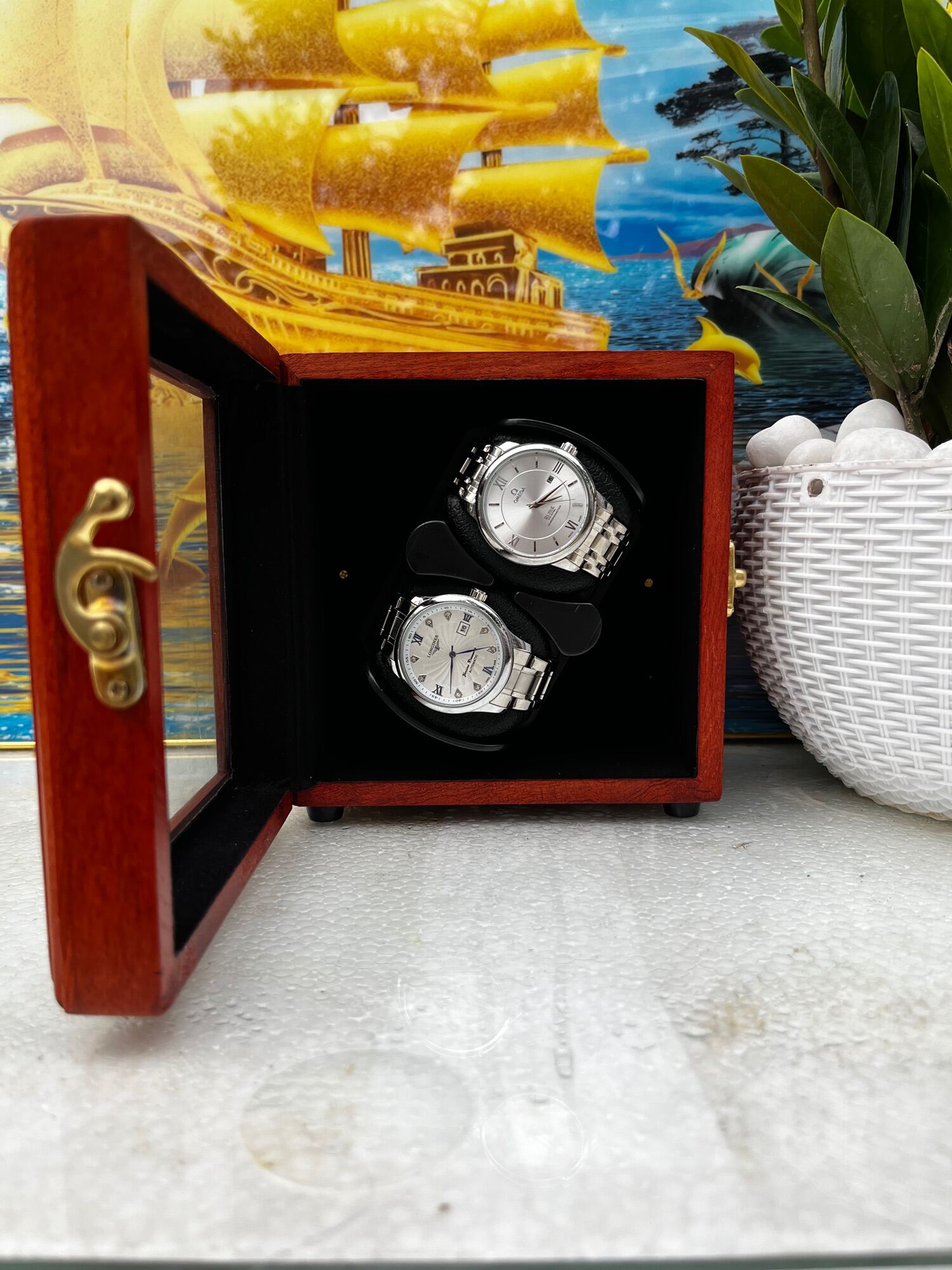
- Double-Watch Winders: Perfect for couples or collectors with two automatic watches they regularly rotate.
- Multi-Watch Winders: For the serious collector, these units can house anywhere from three to a dozen or more watches, offering a comprehensive storage and winding solution.
- Modular Winders: A flexible option, these allow you to start with a smaller unit and add more modules as your collection grows.
By Rotation Settings: Precision at Your Fingertips
Modern automatic watch winders are highly programmable, offering specific settings to cater to diverse watch movements.
- Rotation Direction: Watches can wind clockwise (CW), counter-clockwise (CCW), or bi-directionally. High-quality winders allow you to select the appropriate direction. If you’re unsure, bi-directional is often a safe choice.
- Turns Per Day (TPD): This refers to the number of rotations the winder performs in a 24-hour cycle. Most automatic watches require between 650 and 1200 TPD. Consult your watch’s manual for its specific requirements.
- Intermittent Cycles: Good winders don’t spin continuously. They incorporate “rest periods” to simulate natural wrist wear, preventing unnecessary strain on the watch’s movement.
By Power Sources and Materials
Automatic watch winders are typically powered by AC adapters, offering continuous operation. Some smaller or portable models use batteries, providing flexibility for placement in safes or during travel. Many premium winders also offer dual power options. As for materials, you’ll find everything from classic wooden cases and luxurious leather finishes to modern carbon fiber and transparent acrylic designs, allowing you to choose one that complements your home decor and your collection.
How to Choose the Perfect Automatic Watch Winder for Your Timepiece
Selecting the right automatic watch winder is a personal journey, but there are crucial factors to consider to ensure you make an informed decision that truly benefits your timepieces.
Compatibility is Key: Knowing Your Watch’s Needs
This is arguably the most critical factor. Every automatic watch movement has specific requirements for winding. You’ll need to know:
- Turns Per Day (TPD): How many rotations does your watch need daily to maintain its power reserve? Most range from 650 to 1200. For instance, many Rolex models perform optimally at around 650 TPD, bi-directionally.
- Rotation Direction: Does your watch wind clockwise, counter-clockwise, or bi-directionally? Your watch’s manual is your best friend here. If you can’t find this information, a bi-directional setting on a winder is often a safe general option for many modern automatic watches.
“Choosing the right TPD and rotation direction is like tailoring a suit for your watch,” advises Anya Petrova, a renowned horology expert. “It ensures the winder works harmoniously with the movement, preventing both under-winding and unnecessary wear. Always prioritize your watch manufacturer’s recommendations.”
Quality Matters: Motor, Build, and Materials
- Motor Quality: A high-quality motor is paramount. Look for winders with Japanese or Swiss-made motors, known for their precision and silent operation. A noisy motor can quickly become an annoyance, especially if the winder is in a bedroom or office. Good motors also minimize the risk of magnetizing your watch.
- Build Quality: The construction of the winder should be robust. Solid materials not only look better but also contribute to the winder’s longevity and stability, reducing vibrations.
- Cushion Design: The watch cushion or holder should securely accommodate your watch without stretching the strap or bracelet. Adjustable cushions are a plus, ensuring a snug fit for various watch sizes.
Practical Considerations: Capacity, Noise, and Power
- Capacity: Assess your current automatic watch collection and consider future acquisitions. Do you need a single winder, a double, or a multi-unit system?
- Noise Level: If the winder will be placed in a quiet environment, opt for models explicitly advertised as “silent” or “ultra-quiet.”
- Power Source: Decide between AC-powered (consistent, suitable for home display) or battery-powered (portable, ideal for safes). Some offer dual power for maximum flexibility.
Mastering Your Winder: How to Use an Automatic Watch Winder Correctly
Using your automatic watch winder correctly ensures optimal performance for both the winder and your precious timepieces. It’s not just about placing the watch inside; a few steps can make all the difference.
- Manually Wind Your Watch First (If Stopped): An automatic watch winder is designed to maintain a watch’s power reserve, not to fully wind a completely stopped watch from scratch. If your watch has stopped, give it about 20-40 turns of the crown manually to get it running and build up a initial power reserve before placing it in the winder.
- Secure the Watch: Gently place your watch onto the winder’s cushion or holder. Ensure it fits snugly but not so tightly that it stretches the bracelet or strap. The watch should be stable and not prone to falling off during rotation.
- Set the TPD and Rotation Direction: Consult your watch’s manual or the manufacturer’s website to determine the specific Turns Per Day (TPD) and rotation direction required for its movement. Configure your winder accordingly. If you have multiple watches with different requirements, you might need a multi-winder with individual settings or simply rotate watches through a single winder.
- Power On and Monitor: Once everything is set, plug in the winder and turn it on. Over the next few days, periodically check your watch to ensure it’s keeping accurate time. If you notice it’s still losing time or stopping, you may need to adjust the TPD or rotation direction.
Remember, intermittent rotation with rest periods is always preferable to continuous spinning, as it more closely simulates real-world wear and prevents unnecessary strain on the watch’s winding system.
Keeping It Pristine: Essential Maintenance Tips for Your Automatic Watch Winder
Like any sophisticated device, your automatic watch winder benefits from regular care to ensure its longevity and optimal performance.
Regular Cleaning Routine
- Unplug First: Always disconnect the winder from its power source before cleaning to prevent accidental activation.
- Exterior: Use a soft, lint-free cloth (microfiber works great) to gently wipe down the winder’s exterior. This removes dust and fingerprints without scratching delicate finishes. For premium materials like wood or leather, use specialized cleaners designed for those surfaces.
- Pillows/Cushions: Remove the watch pillows. If they are washable, clean them with a mild soap and water solution, rinse thoroughly, and allow them to air dry completely before reinserting.
- Interior: Occasionally, use compressed air to carefully blow away dust from hard-to-reach interior mechanisms. Avoid harsh chemicals or abrasive cleaners, which can damage the winder’s finish or internal components.
Gentle Lubrication (When Needed)
Some watch winder motors might benefit from occasional lubrication, but this is highly dependent on the model. Always consult your winder’s manufacturer’s instructions before attempting to lubricate any parts. Applying the wrong type or too much lubricant can do more harm than good, attracting dust and potentially causing malfunctions. If lubrication is recommended, apply it sparingly to the motor’s designated moving parts.
Battery Care and Optimal Storage
- Battery Replacement: If your winder is battery-powered, monitor battery life and replace them with the recommended type and size when needed. Dispose of old batteries responsibly.
- Storage Environment: Store your automatic watch winder in a cool, dry place, away from direct sunlight, extreme temperatures, and high humidity. Excessive heat or moisture can damage internal electronics and finishes.
- Dust Protection: When not in use, consider covering your winder with a dust cover to prevent debris accumulation. Avoid stacking other objects on top of it.
- Safe Handling: Crucially, never place or remove a watch from the winder while it is actively spinning. Always stop the rotation first to prevent undue stress on the motor and gears.
Debunking Common Myths About Automatic Watch Winders
Despite their popularity, automatic watch winders are often surrounded by misconceptions. Let’s set the record straight:
Myth 1: Watch Winders Overwind Watches
This is perhaps the most pervasive myth, rooted in a misunderstanding of modern automatic movements. Debunked! Contemporary automatic watches are equipped with a “slipping bridle” mechanism in their mainspring. Once the mainspring reaches its full tension, this bridle allows the spring to slip, preventing any further winding and thus making overwinding impossible. Quality automatic watch winders are designed with programmed intermittent cycles to further ensure optimal tension without stress.
Myth 2: Watch Winders Cause Magnetization
Another common concern is that the winder’s motor might magnetize the watch, affecting its accuracy. Debunked! Reputable automatic watch winder brands use high-quality, shielded motors made from non-magnetic materials. While cheap, poorly constructed winders could pose a risk, well-engineered winders specifically address this concern. Most modern watches also feature anti-magnetic components to protect against external magnetic fields.
Myth 3: All Watch Winders Are Noisy
Many people hesitate to buy a winder due to fears of disruptive noise. Debunked! While some entry-level or older models might produce a noticeable hum, premium automatic watch winders are engineered with precision motors designed for near-silent operation. They are perfectly suitable for bedrooms, offices, or quiet living spaces.
Myth 4: Automatic Watch Winders Are Only for Luxury Watches or Large Collections
Some believe winders are an unnecessary expense unless you own a high-end watch or a vast collection. Debunked! Any automatic watch, regardless of its price point, benefits from being kept wound to maintain lubrication and accuracy. Even if you own just one or two automatic timepieces, the convenience of having them always ready to wear is invaluable, and the preservation benefits apply equally to all mechanical movements.
Myth 5: You Don’t Need a Winder If You Wear Your Watch Daily
“I wear my watch every day, so I don’t need a winder,” is a common sentiment. Debunked! Even daily wearers take their watches off for showering, sleeping, or other activities. During these periods, your watch isn’t receiving the kinetic energy it needs. A winder ensures your watch remains continuously wound, preventing it from ever stopping, even during those “off-wrist” moments. It’s about maintaining consistent power, always.
Conclusion
An automatic watch winder is far more than a simple accessory; it’s an indispensable tool for anyone who appreciates the intricate artistry and precision engineering of self-winding timepieces. From offering unparalleled convenience and readiness to actively preserving the delicate mechanics and extending the lifespan of your cherished watches, a quality winder is a testament to mindful watch ownership. By understanding what an automatic watch winder is, its myriad benefits, how to choose one tailored to your needs, and how to maintain it, you can ensure your automatic watches remain perpetual marvels, always ready for their next moment on your wrist. Embrace the blend of tradition and technology, and let an automatic watch winder elevate your horological journey.