Imagine a world where your prized automatic watches are always wound, always on time, and always ready to adorn your wrist, no matter where life takes you. This isn’t a horological fantasy; it’s the everyday reality offered by a high-quality Battery Operated Watch Winder. These ingenious devices have become indispensable for watch enthusiasts and collectors alike, blending cutting-edge technology with unparalleled convenience to keep your mechanical masterpieces ticking smoothly.
What is a Watch Winder and Why Do You Need One?
At its core, a watch winder is a device specifically designed to keep an automatic (self-winding) watch running when it’s not being worn. Automatic watches rely on the natural motion of your wrist to power their intricate mainspring. When left stationary, they eventually run out of power and stop.
So, why would you need a watch winder? Beyond the sheer convenience, a watch winder, especially a battery operated watch winder, plays a crucial role in maintaining the health and longevity of your timepiece. It ensures the internal lubricants remain evenly distributed, preventing them from settling or drying out, which can lead to costly service down the line. Moreover, for watches with complex complications like perpetual calendars or moon phases, a winder saves you the tedious task of resetting the time and date every time you pick it up.
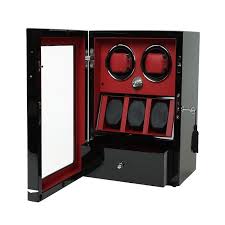
The Unparalleled Advantages of a Battery Operated Watch Winder
While watch winders come in various forms, the battery operated watch winder offers a distinct set of benefits that cater to the modern watch collector’s lifestyle.
Embrace Portability and Placement Freedom
One of the most compelling reasons to choose a battery operated watch winder is its exceptional portability. Unburdened by power cords, these winders can be placed virtually anywhere. Planning a trip? Tuck it into your carry-on, and your watch stays wound and ready for any time zone. Want to keep your treasured timepiece secure? A battery-powered winder fits perfectly inside a safe or vault, ensuring your watch remains active and protected. This freedom from electrical outlets offers a level of flexibility that traditional AC-powered models simply can’t match.
Reliability During Power Outages
Ever experienced a power outage that left all your automatic watches unwound? With a battery operated watch winder, that concern becomes a thing of the past. These winders continue to operate, diligently keeping your watches powered, even when the grid goes dark. It’s a small but significant detail that provides peace of mind, especially if you live in an area prone to electrical disruptions.
Preserving Your Watch’s Lifespan and Luster
A watch winder does more than just keep time; it actively contributes to your watch’s well-being. By mimicking the continuous motion of your wrist, it ensures that the delicate oils and lubricants within the movement remain fluid and properly distributed. This continuous, gentle movement helps prevent premature wear on the internal components and the watch crown, which can sometimes suffer from frequent manual winding. “Consistent winding with appropriate settings is key to the longevity of an automatic movement,” explains timepiece expert Dr. Eleanor Vance. “A good battery operated watch winder offers that gentle consistency, protecting your investment.”
Convenience That Keeps You on Time
Imagine grabbing any watch from your collection and knowing it’s already set to the correct time and date, its power reserve full. That’s the ultimate convenience a battery operated watch winder provides. For multi-watch collectors, this means less time fiddling with crowns and more time enjoying your passion. Watches with intricate complications, which can be a real chore to reset, benefit enormously from being kept constantly wound.
How Does a Battery Operated Watch Winder Work Its Magic?
The mechanism behind a battery operated watch winder is surprisingly elegant, designed to replicate the natural kinematics of your arm.
Mimicking Your Wrist’s Natural Rhythm
At its core, a watch winder features a small, quiet motor that rotates a cushioned platform or cup on which your watch rests. This rotation gently oscillates the watch, replicating the movements your wrist makes throughout the day. This motion keeps the watch’s rotor engaged, continuously winding the mainspring and maintaining its power reserve. Modern battery-operated winders often use low-power DC motors, like the renowned Mabuchi motors, known for their silent and efficient operation.
Understanding Turns Per Day (TPD) and Rotation Directions
Not all automatic watches wind the same way. Different movements require specific numbers of “Turns Per Day” (TPD) and distinct rotation directions (clockwise, counter-clockwise, or bi-directional). A quality battery operated watch winder will offer programmable settings for TPD, typically ranging from 650 to 1200, and allow you to select the rotation direction. This customization is crucial; for instance, many Rolex movements wind bidirectionally, while some Valjoux movements prefer clockwise rotation. The best winders also incorporate intermittent rest periods, simulating real-world wear and preventing unnecessary strain on the watch’s winding system.
Navigating the World of Battery Operated Watch Winders: Types and Innovations
The market for battery operated watch winder has expanded considerably, offering a diverse array of options to suit every collector’s needs and aesthetic preferences.
Single vs. Multiple Watch Winders
You’ll find battery-operated winders designed for single watches, perfect for that one prized daily wearer or a traveler. For those with growing collections, dual, quad, and even larger battery-powered configurations are available, some allowing independent settings for each watch. While larger capacity winders more commonly rely on AC power, compact multi-watch battery options are increasingly popular for small collections or specific storage solutions like safes.
Materials and Aesthetics
Beyond functionality, battery operated watch winder also serve as elegant display pieces. They come in a variety of materials, from sleek genuine leather and polished wood to modern carbon fiber and durable acrylic. The design often reflects the luxury of the watches they house, complementing your collection and home decor. Look for features like glass covers to protect against dust and soft interiors to prevent scratches.
Dual-Powered Winders: The Best of Both Worlds
Many contemporary battery operated watch winder models offer dual power options, meaning they can run on batteries for portability or be plugged into an AC outlet for continuous, long-term use. This versatility provides the ultimate flexibility, allowing you to choose the power source that best fits your current needs, whether you’re at home or globetrotting.
Choosing the Perfect Battery Operated Watch Winder for Your Precious Timepiece
Selecting the right battery operated watch winder involves a few key considerations to ensure it perfectly matches your watch and lifestyle.
Matching TPD and Rotation to Your Watch’s Movement
This is arguably the most critical factor. Each automatic watch movement has specific winding requirements. Refer to your watch’s manual or reputable online databases to find the correct TPD and winding direction. A good battery operated watch winder will offer adjustable settings to accommodate these specifics, preventing both under-winding and over-winding.
Prioritizing Battery Life and Type
Since you’re opting for a battery-powered unit, the type and lifespan of the batteries are important. Some high-quality winders can run for months, even years, on a single set of standard AA or C batteries. Inquire about the expected battery life and the type of batteries required. Many advanced models also feature rechargeable internal batteries, offering a sustainable and convenient solution.
The Quest for Whisper-Quiet Operation
A watch winder, especially if placed in a bedroom or office, should be discreet. Look for models that explicitly state “ultra-quiet” or feature Japanese Mabuchi motors, which are renowned for their silent performance. You want to enjoy the sight of your watch winding, not the sound.
Assessing Build Quality, Materials, and Design
A luxury timepiece deserves a winder that’s equally well-crafted. Evaluate the build quality – solid construction, quality hinges, and a sturdy base are indicators of durability. The materials should be aesthetically pleasing and protect your watch. Choose a design that complements your personal style and enhances the presentation of your watch collection.
Considering Capacity and Size
Determine how many watches you need to wind simultaneously. If it’s just one, a compact single battery operated watch winder might be ideal. If your collection is growing, consider a modular system or a multi-watch winder. Also, think about where you’ll place it; a smaller footprint is crucial for travel or safe storage.
Smart Features and Customization
Modern battery operated watch winder often come with advanced features. Look for options like digital controls, USB connectivity for programming, or even Bluetooth app integration that allows you to customize settings from your smartphone. These features provide precision and ease of use, making your watch winding experience truly effortless.
Mastering Your Watch Winder: A Step-by-Step Usage Guide
Getting the most out of your battery operated watch winder is simple with the right approach.
Setting Up for Optimal Winding
- Identify Watch Requirements: Before anything else, determine your watch’s specific TPD and winding direction. This information is usually found in your watch’s manual or a reliable online database.
- Install Batteries: Insert the recommended batteries (e.g., AA, C) into your winder, ensuring correct polarity.
- Configure Settings: Based on your watch’s needs, set the TPD and rotation direction on your winder. Many winders offer modes like clockwise, counter-clockwise, and bi-directional.
- Place Securely: Gently place your watch onto the winder’s cushion or holder. Ensure it fits snugly but without excessive pressure, and that it’s positioned centrally to avoid imbalance.
Safely Placing and Removing Your Watch
Always switch off your battery operated watch winder before placing or removing your watch. This simple step prevents any accidental movement that could potentially scratch your watch or damage the winder’s mechanism. Once the watch is securely in place and the settings are confirmed, you can activate the winder.
Keeping Your Winder in Top Shape: Maintenance Tips
A well-maintained battery operated watch winder will serve you reliably for years.
Battery Management Best Practices
- Regular Checks: Periodically check the battery status. Some winders have indicator lights to alert you when batteries are low.
- Prompt Replacement: Replace depleted batteries immediately to ensure consistent winding and prevent potential leakage, which could damage the winder’s electronics.
- Quality Batteries: Use high-quality alkaline or rechargeable batteries to maximize performance and lifespan.
- Storage: If you plan not to use your winder for an extended period, remove the batteries to prevent corrosion.
Cleaning and Care for Longevity
Keep your battery operated watch winder clean by gently wiping its exterior with a soft, lint-free cloth. Avoid harsh chemicals that could damage the finish. If your winder has a clear cover, keep it free of dust to maintain visibility and protect your watch. Regular, gentle care will ensure your winder remains both functional and aesthetically pleasing.
Avoiding Common Pitfalls
- Don’t Over-Wind: While quality winders are designed to prevent over-winding, always ensure your TPD settings are appropriate for your specific watch. Excessive, constant rotation is generally unnecessary and can lead to undue wear.
- Avoid Extreme Temperatures: Protect your winder from extreme heat or cold, which can affect battery performance and internal components.
- Handle with Care: Treat your winder as you would your watch – it’s a precision instrument.
Debunking Common Myths About Watch Winders
There are a few persistent myths surrounding watch winders that deserve clarification.
Myth 1: Watch Winders Cause Unnecessary Wear
This is a common concern, but largely a misconception for quality winders used correctly. While constant, unregulated spinning could theoretically cause wear, a well-designed battery operated watch winder operates with specific TPD settings and often includes programmed rest periods. This mimics natural wear and ensures the watch’s internal lubricants remain active, which actually reduces wear over time by preventing them from solidifying. As watch restorer Mr. Kenji Tanaka states, “A good watch winder, properly set, is a gentle companion, not a wear-inducing foe for your automatic timepiece.”
Myth 2: All Watches Benefit from a Winder
False. Watch winders are exclusively for automatic (self-winding) mechanical watches. Manual-wind watches require manual winding via the crown, and quartz watches are battery-powered and do not need winding. Using a winder for these types of watches is pointless and could potentially cause unnecessary movement.
Myth 3: Battery Winders are Inferior or Wasteful
In the past, some battery-powered winders might have had shorter battery lives or fewer features. However, modern battery operated watch winder models are highly advanced, offering long battery life (some lasting for years on a single set of batteries) and all the programmable settings found in AC-powered units. Many are even dual-powered, offering the best of both worlds. They are designed for efficiency and convenience, making them far from inferior or inherently wasteful when used properly.
Conclusion: The Future of Effortless Watch Care
A battery operated watch winder is more than just an accessory; it’s an intelligent investment in the longevity, precision, and enjoyment of your automatic watch collection. From the unparalleled freedom of portability to the peace of mind during power outages, these devices simplify watch care and ensure your prized timepieces are always ready for their moment in the spotlight. By understanding how they work, choosing wisely, and maintaining them diligently, you unlock a world where your watches remain perfectly wound, effortlessly keeping pace with your life’s adventures. Embrace the convenience and watch your collection thrive.
FAQ
How long do batteries typically last in a battery-operated watch winder?
Battery life varies significantly based on the winder’s design, battery type (AA, C, or rechargeable), and usage settings (TPD). High-quality battery operated watch winder models can run anywhere from several months to an impressive three years on a single set of batteries, with some utilizing efficient low-power consumption motors.
Can I place a battery-operated watch winder inside a safe?
Absolutely! This is one of the primary advantages of a battery operated watch winder. Since it doesn’t require an external power source, it can be securely placed inside a safe or vault, keeping your valuable automatic watches wound and protected from theft or damage simultaneously.
Are battery-operated watch winders as effective as AC-powered ones?
Yes, modern battery operated watch winder are just as effective as their AC-powered counterparts. They utilize advanced motors and offer the same crucial programmable settings for Turns Per Day (TPD) and rotation direction, ensuring precise and reliable winding performance for your automatic watches.
What type of batteries do most battery-operated watch winders use?
Most battery operated watch winder models typically use common battery types such as AA or C batteries. Some premium or more compact travel winders might feature built-in rechargeable batteries, often charged via USB, providing additional convenience and reducing the need for disposable batteries.
How do I know the correct TPD and rotation direction for my watch?
The correct Turns Per Day (TPD) and rotation direction for your automatic watch can usually be found in its user manual. If the manual isn’t available, many reputable online databases provide this specific information for various watch movements. Matching these settings is crucial for the optimal performance of your battery operated watch winder.
Can a battery-operated watch winder over-wind my watch?
A well-designed battery operated watch winder, when set to the correct TPD (Turns Per Day) for your specific watch, will not over-wind it. Automatic watches have a slipping clutch mechanism that prevents over-winding once the mainspring is fully tensioned. The winder is designed to maintain the power reserve, not continuously add tension beyond capacity.