Ever gazed at your exquisite automatic watch, only to find it’s stopped, demanding a reset of time, date, and perhaps even a moon phase? For many watch enthusiasts, this is a familiar predicament. Investing in the Best Single Watch Winder isn’t just about convenience; it’s about preserving the life and precision of your cherished timepiece. These ingenious devices are designed to keep your automatic watch running smoothly when it’s not adorning your wrist, ensuring it’s always ready for your next adventure or formal occasion. Whether you own one special automatic watch or simply need a dedicated spot for your most frequently worn piece, a quality single watch winder is an indispensable accessory that brings both peace of mind and effortless timekeeping into your daily routine.
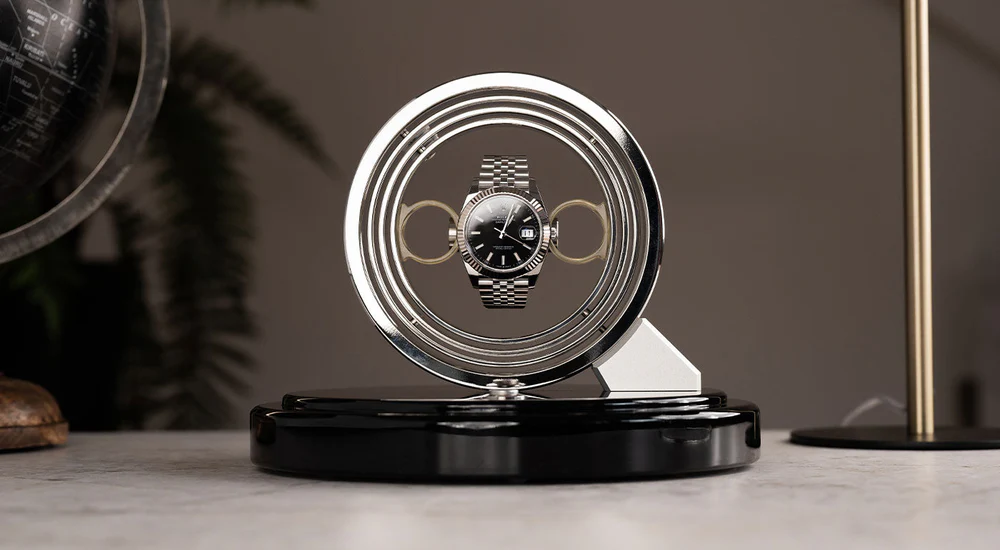
What is a Watch Winder and Why Do You Need One?
An automatic watch, a marvel of mechanical engineering, is powered by the natural motion of your wrist. As you move, a rotor inside the watch turns, winding the mainspring and storing energy. This elegant self-winding mechanism means you never have to manually wind it as long as you wear it regularly. However, when your automatic watch is left unworn for an extended period, typically between 24 to 72 hours depending on its power reserve, it will eventually stop.
This is where a watch winder steps in. It’s an electromechanical device that mimics the gentle, consistent motion of a wrist, rotating your watch periodically to keep its mainspring wound. Think of it as a personal caretaker for your automatic timepiece, ensuring it remains accurate and ready to wear without the hassle of constantly resetting it. For those looking to invest, exploring options like the can be a great starting point to find a reliable single watch winder that fits your needs.
Num
Product
Action
1
BEWISHOME Watch Winder for Automatic Watches, Automatic Watch Winder Box Watch Spinner with LED Light, Double Watch Winder with Quiet Motor Wooden 4 Modes Battery or Type-C Adapter, Brown SYQ02Y

2
Mcbazel Watch Winder for Automatic Watches, Double Automatic Watch Winder Box with Quiet Japan-made Motor, Automatic Watch Display Storage Rotation Wristwatch Box with 2 Slots (Black PU Leather)
3
hightall Luxury Automatic Watch Winder for Rolex/Omega/Cartier - 6+6 for Automatic Watches with Whisper-Quiet Motor (<5dB), Anti-Scratch Memory Foam & Stable Base - Snakeskin PU,With Plug
4
Mcbazel Watch Winder for Automatic Watches, Double Automatic Watch Winder Box with Quiet Japan-made Motor, 2 Slots Watch Display Storage Rotation Wrist watch Box (Black Carbon Fiber Leather)
5
Mcbazel Watch Winder for Automatic Watches, Double Automatic Watch Winder Box with Quiet Japan-made Motor, Automatic Watch Display Storage Rotation Wristwatch Box with 2 Slots (Brown PU Leather)
6
Mcbazel Watch Winder for Automatic Watches, Double Automatic Watch Winder Box, Automatic Watch Display Storage Rotation Wristwatch Box with 2 Slots (Green PU Leather)
7
Mcbazel Watch Winder for Automatic Watches, Double Automatic Watch Winder Box with Quiet Japan-made Motor, 2 Slots Watch Display Storage Rotation Wrist watch Box (Black Crocodile Pattern Leather)
8
Single Watch Winder,Aluminum Automatic Watch Winder for Rolex with Ultra Quiet Motor(≈0dB),Self-Winding Metal Watch Winder for Every Watches,Blue Light,Gift for Watch Lovers
9
ANWBROAD Watch Winders For Automatic Watches, Automatic Watch Winder Box With Led Light, Watch Turner For Automatic, 4 Watch Rotator And Super Quiet Motor And 4 Rotation Mode, UJWW011Y
10
Watch Winder for Automatic Watches: Automatic Single Watch Winder Box, Rotating Watch Case in Black Carbon Fiber Leather, Watch Rotator with Japanese Quiet Motor, Battery Powered or AC Adapter
Benefits of Using the Best Single Watch Winder
Choosing the best single watch winder offers a host of advantages that go beyond mere convenience, safeguarding your investment and enhancing your watch-wearing experience.
Always Ready and Accurate
One of the most immediate benefits is that your watch is always wound, set, and ready to go. Imagine the frustration of reaching for a complicated timepiece with a perpetual calendar or moon phase, only to find it stopped. Resetting these can be a time-consuming and intricate task. A single watch winder ensures your watch keeps accurate time and all its complications remain correctly displayed, saving you precious minutes and avoiding potential errors.
Preserves the Internal Mechanism
Automatic watches rely on delicate internal lubricants to ensure smooth operation of their intricate gears and springs. When a watch sits idle for too long, these lubricants can settle or even thicken, increasing friction and potentially causing premature wear. Continuous, gentle movement provided by a watch winder helps to keep these oils evenly distributed, ensuring the movement operates optimally and extending its lifespan.
Enhanced Convenience
For individuals who alternate between a few watches or wear their automatic piece only on specific occasions, a watch winder is a game-changer. You won’t have to manually wind and set your watch every time you decide to wear it. This seamless readiness adds an unparalleled level of convenience to your horological passion.
Protection and Display
Beyond its functional aspects, a single watch winder often doubles as a secure and elegant display case. It keeps your valuable watch safely housed, protected from dust, scratches, and accidental bumps, while simultaneously showcasing its beauty. Many high-quality winders are crafted from luxurious materials, adding a touch of sophistication to your desk or dresser.
Types of Single Watch Winders on the Market
The market for single watch winders is diverse, offering options that cater to every taste and budget. You’ll find everything from utilitarian, compact designs to luxurious, handcrafted pieces that rival the watches they hold.
Common types often vary by:
- Motor Technology: High-quality winders typically feature silent, Japanese Mabuchi or Swiss-made motors known for their reliability and quiet operation. Less expensive models might use noisier, less durable motors.
- Materials: From sleek carbon fiber and contemporary acrylic to classic genuine leather, polished wood (like ebony or burl), and even sustainable biomaterials, the aesthetic choices are vast. The build quality significantly impacts durability and appearance.
- Programmability: The best single watch winder will offer multiple Turns Per Day (TPD) settings and rotation options (clockwise, counter-clockwise, or bi-directional) to accommodate the specific requirements of different watch movements. More basic models might have fixed settings.
- Power Source: Most operate via AC power adapters for continuous use, while some offer battery power for greater portability or placement flexibility. There are also travel-sized options designed for the watch enthusiast on the go.
How to Choose the Best Single Watch Winder for Your Watch
Selecting the ideal single watch winder involves a careful consideration of your watch’s needs and your personal preferences. Here’s a breakdown of key factors:
Turns Per Day (TPD) and Rotation Direction
This is perhaps the most critical technical consideration. Every automatic watch movement has a specific number of Turns Per Day (TPD) and a required rotation direction (clockwise, counter-clockwise, or bi-directional) to keep it optimally wound without overwinding. It’s essential to consult your watch’s manual or the manufacturer’s website for these specifications. The best single watch winder will offer adjustable TPD settings, typically ranging from 650 to 1900, and all three rotation modes to ensure compatibility with a wide array of watches.
Motor Quality and Noise Level
A quiet motor is paramount, especially if the winder will reside in a bedroom or office. Look for winders that specify “silent motor” or use reputable brands like Japanese Mabuchi or Swiss motors. Inferior motors can be noisy and may fail prematurely. “No one wants their watch winder humming louder than their thoughts,” quips Dr. Julian Thorne, a renowned horologist and expert in watch care. “A quality motor is the heart of a reliable winder.”
Build Quality and Materials
The aesthetics and durability of your winder are important. Premium materials like fine wood, genuine leather, or sturdy metal finishes not only look great but also offer better protection for your watch. Consider how the winder will complement your interior decor. A robust construction also ensures longevity.
Cushion/Holder Design
The watch cushion or holder should securely accommodate your watch without stretching the bracelet or strap. Look for designs with adjustable cuffs or soft, flexible pillows that can fit various watch sizes comfortably, preventing any movement or damage during rotation.
Power Source
Decide whether you need an AC-powered winder for continuous operation or a battery-powered one for flexibility in placement or travel. Some winders offer both options, providing the best of both worlds.
Additional Features
Consider extra features that enhance usability and luxury:
- LED lighting: To elegantly illuminate your timepiece.
- Lockable lids: For added security.
- LCD or touch screen controls: For easy programming.
- Start/stop delay functions: To mimic natural wear patterns.
How to Use Your Single Watch Winder Correctly
Using your best single watch winder effectively is straightforward, but a few steps ensure optimal performance and watch health.
- Determine TPD and Direction: As mentioned, consult your watch manual to find its specific TPD and winding direction requirements.
- Set the Winder: Program your watch winder according to these specifications. Most quality winders have clear controls for adjusting TPD and rotation mode. If your winder has a start/stop delay, you can also set this to prevent continuous winding.
- Ensure Power Reserve: Before placing your watch in the winder, make sure it has some power reserve. For automatic watches that can also be hand-wound, give it a few turns of the crown to start it before placing it in the winder.
- Secure the Watch: Gently place your watch on the winder’s cushion, ensuring it fits snugly but without excessive pressure. The watch should be stable and not shift during rotation.
Tips for Maintaining and Caring for Your Watch Winder
To ensure your best single watch winder continues to perform flawlessly and look its best, a little care goes a long way.
- Regular Cleaning: Dust can accumulate, especially on display windows. Gently wipe the exterior with a soft, lint-free cloth. For wooden or polished surfaces, a suitable furniture cleaner can be used.
- Optimal Placement: Place your winder on a stable, flat surface away from direct sunlight, extreme temperatures, and strong magnetic fields, which could potentially affect your watch.
- Battery Management: If your winder uses batteries, check them periodically and replace them as needed to prevent corrosion, which can damage the winder’s electronics.
- Cushion Care: Ensure the watch cushion remains clean and free of debris that could scratch your watch.
Common Misconceptions About Watch Winders
Despite their utility, watch winders are sometimes subject to misunderstandings. Let’s clear up a few common ones.
“Watch Winders Cause Overwinding or Damage”
A common concern is that winders might overwind or damage a watch. Modern automatic watches are designed with a slipping clutch mechanism that prevents overwinding. Quality watch winders, when set to the correct TPD and rotation, will not cause any damage. They are designed to mimic natural wrist movement, which is precisely what keeps your watch healthy. Issues typically arise only with cheap, poorly designed winders that lack proper programmability or have unreliable motors.
“Watch Winders Are Only for Large Collections”
While multi-watch winders cater to extensive collections, the concept of a “single watch winder” directly addresses this misconception. Even if you own just one automatic watch, or primarily wear one piece, a single winder offers immense benefits in terms of convenience and preservation. It ensures your favorite watch is always ready without manual intervention.
“They Extend Service Intervals”
While a watch winder helps maintain the watch’s internal lubrication and keeps its movement active, it doesn’t eliminate the need for regular professional servicing. Automatic watches still require periodic maintenance by a skilled watchmaker, typically every 3-5 years, to clean, lubricate, and adjust the movement, regardless of winder use. A winder complements, rather than replaces, this essential care.
Expert Insight: “The Art of Keeping Time Alive”
“Many people see a watch winder as a luxury, but I view it as an intelligent investment in the longevity and readiness of a mechanical masterpiece,” says Dr. Julian Thorne, a respected horologist and long-time collector. “The best single watch winder isn’t just a gadget; it’s a testament to appreciating the intricate dance of gears and springs. It frees you from the mundane task of resetting, allowing you to simply enjoy the art of timekeeping.”
Frequently Asked Questions (FAQ)
Q: Is a watch winder really necessary for my automatic watch?
A: While not strictly “necessary” for a watch to function, a watch winder is highly beneficial for automatic watches, especially those with complex complications. It keeps the watch running, accurate, and ready to wear, preventing the need for frequent manual winding and resetting.
Q: Can I leave my watch on a winder all the time?
A: Yes, quality watch winders are designed for continuous use. When set to the correct TPD and rotation direction for your specific watch, they maintain the watch’s power reserve without causing any harm.
Q: How do I know the correct TPD and rotation direction for my watch?
A: The most reliable source is your watch’s user manual or the manufacturer’s official website. Many winder brands also provide databases of watch specifications. If specific information is unavailable, bi-directional winding with a TPD of 650-850 is a common safe starting point for most modern automatic movements.
Q: Are cheaper watch winders as good as expensive ones?
A: Not always. The price often reflects the quality of the motor, materials, craftsmanship, and programmable features. While budget-friendly options can be sufficient for basic needs, investing in a reputable brand usually ensures quieter operation, more precise winding, and greater durability.
Q: Will a watch winder charge my quartz watch?
A: No, watch winders are exclusively for automatic (self-winding) mechanical watches. Quartz watches are battery-powered and do not require winding.
Q: Do travel-sized single watch winders work differently?
A: Travel-sized single watch winders operate on the same principle but are typically more compact and often battery-powered for portability. They are ideal for keeping your primary automatic watch wound while you’re away from home.
Conclusion
Choosing the best single watch winder is a thoughtful decision that rewards you with unparalleled convenience and peace of mind. It’s an investment in the health and longevity of your automatic timepiece, ensuring it’s always accurate, lubricated, and ready to adorn your wrist. From preserving intricate movements to providing an elegant display, a quality single watch winder is an essential accessory for any automatic watch owner. Embrace the art of effortless timekeeping and allow a dedicated winder to take care of your prized possession, letting you simply enjoy its timeless beauty and precision. Explore the options, understand your watch’s needs, and find the perfect companion for your cherished automatic watch today!