Hey there, watch enthusiasts! If you’re passionate about automatic watches, you know they’re more than just time-telling devices; they’re miniature mechanical marvels. But here’s the thing: these beauties rely on motion to keep ticking. When your prized automatic isn’t gracing your wrist, it eventually stops, leaving you to painstakingly reset the time, date, and sometimes even complex complications every time you want to wear it. That’s where the Best Watch Winder steps in, transforming a tedious chore into effortless luxury. It’s an essential accessory for any serious collector or even just someone who appreciates their automatic timepiece always being ready.
What is a Watch Winder and Why Do You Need One?
So, what exactly is a watch winder? Simply put, it’s a device designed to keep your automatic, self-winding watches running when they’re not being worn. Automatic watches harness kinetic energy from your wrist’s movement to power their mainspring. Without that movement, they eventually wind down and stop. A good watch winder gently rotates your watch, simulating the natural motion of being on your wrist, ensuring it stays powered and punctual.
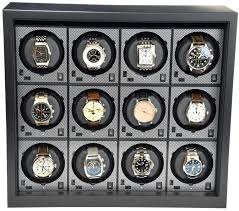
“Think of a watch winder as a personal valet for your automatic timepieces,” says Dr. Elias Thorne, a renowned horology expert. “It’s not just about convenience; it’s about maintaining the intricate dance of gears and springs that define these mechanical wonders.”
You might be thinking, “Do I really need one?” If you only own one automatic watch and wear it every single day, perhaps not. But if you have a collection, rotate between different pieces, or own watches with perpetual calendars, moon phases, or GMT functions, a watch winder becomes invaluable. Constantly resetting these complications can be a real headache, not to mention the wear and tear on your watch’s crown.
The Undeniable Benefits of Using a Watch Winder
Investing in the best watch winder for your collection brings a host of benefits that go beyond simple convenience:
- Always Ready to Wear: This is perhaps the most immediate and appreciated benefit. Imagine grabbing your favorite automatic watch, knowing it’s already set to the correct time and date, powered up and ready for your day. No fumbling, no resetting – just pure, unadulterated enjoyment.
- Maintains Lubrication and Accuracy: When an automatic watch sits idle for too long, the delicate lubricating oils within its movement can settle and thicken. A winder keeps these oils evenly distributed, ensuring the watch runs smoothly and maintains its accuracy over time. This consistent movement can actually contribute to the longevity of your timepiece.
- Protects Delicate Components: Manually winding and resetting your watch’s crown repeatedly can put undue stress on the stem and seals, potentially leading to wear and tear. A watch winder minimizes this interaction, preserving the integrity of your watch’s crown mechanism.
- Showcases Your Collection: Let’s be honest, part of the joy of collecting watches is admiring them. Many high-quality watch winders are beautifully crafted pieces themselves, providing an elegant display case that keeps your watches visible and protected.
Understanding the Landscape of Watch Winders
When you’re searching for the best watch winder, you’ll quickly discover a diverse market. From single units to elaborate multi-watch systems, there’s a winder for every collector’s need and aesthetic preference.
What to Look for in the Best Watch Winder
Whether you’re browsing online or at a boutique, here are the key features and considerations that define a top-tier watch winder:
- Turns Per Day (TPD) Settings: This is crucial. Different watch movements require a specific number of rotations per day to remain fully wound. The best watch winder will offer adjustable TPD settings, typically ranging from 650 to 1800. For instance, most Rolex movements generally require around 650-800 TPD, while many modern Omega watches also fall into a similar 600-800 TPD range. Always consult your watch’s manual or a reliable online resource for its specific TPD requirement.
- Rotation Direction: Watches wind in various directions: clockwise (CW), counter-clockwise (CCW), or bi-directional. A versatile winder will offer all three options to ensure compatibility with all your automatic watches. Many modern movements, like those found in Rolex and Omega, are bi-directional.
- Motor Quality and Quiet Operation: A high-quality winder uses a silent, reliable motor (like Mabuchi motors) that won’t magnetize your watch. Nothing ruins the luxury experience like a noisy whirring from your watch winder. Look for descriptions that emphasize “ultra-quiet” or “Japanese motor” for peace of mind. For collectors with multiple watches, a winder with an independent motor for each watch slot is often a sign of superior quality, preventing watches from bumping into each other and allowing for customized settings for each timepiece.
- Capacity: How many watches do you need to wind? Winders come in single, double, quad, and even larger configurations. Consider your current collection and anticipate future additions. It’s often wise to buy a winder that offers a little room for growth.
- Build Quality and Aesthetics: The best watch winder is not just functional; it’s a piece of art. Look for quality materials like fine wood, genuine or vegan leather, carbon fiber, or high-grade plastics. The finish should be impeccable, and the interior cushions should securely hold your watches without scratching them.
- Power Options: Most winders are AC powered, but some offer battery or USB options for portability, which is great for travel or placement inside a safe where an outlet might not be available.
- Rest Cycles: Quality winders incorporate programmed rest cycles, mimicking the natural pauses in wrist movement. This prevents overwinding and undue stress on the watch’s mainspring, ensuring its long-term health.
- Brand Reputation: Stick with established and reputable brands known for their craftsmanship and reliability. Brands like Wolf, Barrington, Rapport London, and SwissKubiK are frequently cited by experts and collectors for their quality. As Dr. Elias Thorne advises, “Avoid unbranded, cheap winders. They might save you a few dollars upfront, but a poor motor can overwind, magnetize, or even damage your precious timepiece, costing you far more in repairs.”
How to Use a Watch Winder Correctly
Using your watch winder effectively is straightforward, but it requires a little homework:
- Identify Your Watch’s Needs: The most critical step is to determine the correct TPD and rotation direction for each automatic watch you own. This information can usually be found in your watch’s instruction manual, on the manufacturer’s website, or through a quick online search for your specific movement calibre.
- Set the Winder: Adjust the TPD and rotation direction settings on your watch winder according to your watch’s requirements.
- Secure Your Watch: Place your watch securely on the winder’s cushion. Ensure it fits snugly but isn’t overly tight, preventing any movement or potential scratches during rotation.
- Power On: Plug in your winder or ensure batteries are properly installed. Let the winder do its magic!
Tips for Watch Winder Maintenance and Care
To ensure your best watch winder continues to perform optimally and protect your timepieces, a little care goes a long way:
- Regular Cleaning: Gently wipe down the exterior of your winder with a soft, lint-free cloth to keep it free from dust and fingerprints.
- Check the Cushions: Periodically inspect the watch cushions for any signs of wear or damage. Replace them if they no longer hold your watches securely.
- Proper Placement: Place your winder on a stable, flat surface away from direct sunlight, extreme temperatures, and strong magnetic fields, which could interfere with your watches’ movements.
- Power Source Care: If using battery power, check and replace batteries as needed. For AC-powered units, ensure the cable is not strained or damaged.
Common Myths About Watch Winders
Let’s clear up some common misconceptions about watch winders that might deter you from getting the best watch winder for your needs:
- Myth 1: “Watch winders damage watches.”
- Reality: This is largely false for quality winders. Well-designed watch winders with correct TPD and rest cycles are engineered to mimic natural wear. It’s poorly made, cheap winders that lack precise controls that pose a risk. As Dr. Elias Thorne explains, “A good winder actually protects your watch by minimizing manual crown adjustments and keeping lubricants fluid, rather than damaging it.”
- Myth 2: “Watch winders are only for serious collectors.”
- Reality: While collectors certainly benefit, anyone with an automatic watch can find value. If you have a cherished watch with complications like a perpetual calendar, a winder saves you considerable time and effort.
- Myth 3: “Watch winders overwind watches.”
- Reality: Modern automatic watches are designed with a “slipping clutch” mechanism in the mainspring, preventing overwinding. Furthermore, quality winders include programmed rest cycles, ensuring your watch isn’t constantly winding.
Frequently Asked Questions about the Best Watch Winder
Do all automatic watches need winders?
No, not all. Winders are most beneficial for collectors, those who rotate multiple watches, or watches with complex complications that are time-consuming to reset. If you wear a single automatic watch daily, manual winding from wrist movement is usually sufficient.
Can a watch winder damage my watch?
Only if it’s a poor-quality winder with incorrect TPD settings, no rest cycles, or a motor that emits magnetic fields. The best watch winder is designed to protect and maintain your timepiece when used correctly.
How many turns per day (TPD) does my Rolex need?
Most Rolex models typically require around 650-800 TPD, with bi-directional rotation. Always verify this for your specific model in its manual or online.
Is it okay to leave a watch on a winder permanently?
Yes, if the watch winder is of good quality and correctly matched to your watch’s TPD and rotation direction. Good winders are designed to simulate natural wear patterns, including programmed rest periods, ensuring the watch is kept in optimal condition without excessive stress.
Do quartz watches need winders?
No, quartz watches are battery-powered and do not rely on kinetic movement to function, so a watch winder is unnecessary for them.
Conclusion
Choosing the best watch winder is more than just a purchase; it’s an investment in the longevity, accuracy, and sheer enjoyment of your automatic timepieces. By understanding what makes a quality winder – from precise TPD and rotation settings to silent motors and elegant design – you can confidently select the perfect companion for your cherished watches. Don’t let your mechanical marvels sit idle and wind down. Give them the care they deserve, ensuring they’re always ready for their next moment on your wrist. Explore the world of watch winders and discover how much easier and more enjoyable your watch collecting journey can be!