Ever gazed at your prized automatic watch, sitting idly on the dresser, and felt a twinge of guilt as its hands ceased their elegant sweep? You know the drill: resetting the time, date, and sometimes even complex moon phase or perpetual calendar functions can be a real chore. That’s where an Electric Watch Winder steps in, a true game-changer for any watch enthusiast. It’s more than just a fancy display case; it’s a silent guardian, ensuring your treasured timepiece is always ticking, always accurate, and always ready for its moment on your wrist.
What Exactly is an Electric Watch Winder?
At its core, an electric watch winder is a sophisticated device designed to keep self-winding, or automatic, mechanical watches continuously powered when they’re not being worn. Unlike quartz watches that rely on a battery, or manual-wind watches that require you to turn the crown by hand, automatic watches draw their energy from the kinetic motion of your wrist. Inside these marvels of engineering lies a weighted rotor that spins with your natural movements, winding the mainspring and storing power.
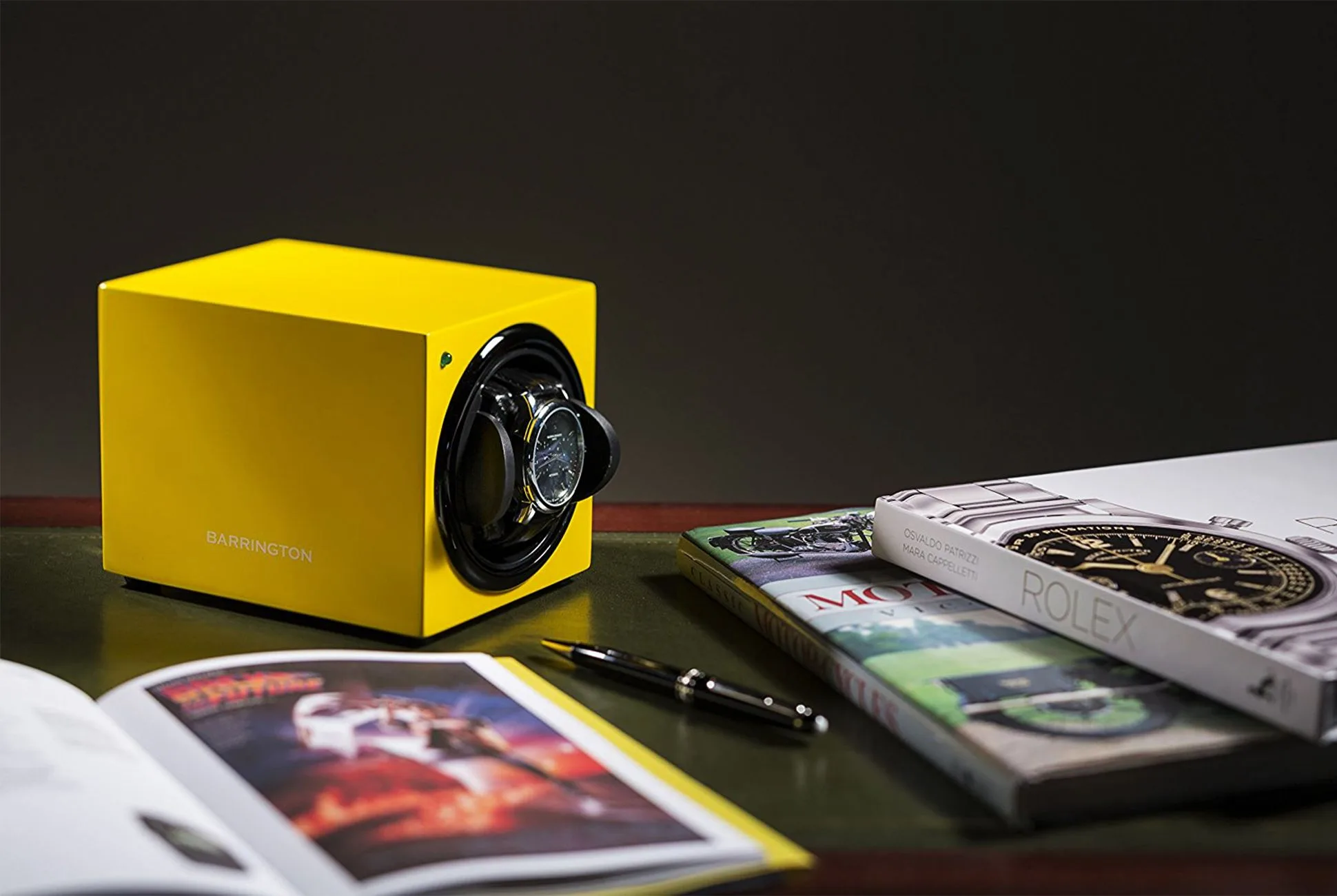
When an automatic watch is taken off and left stationary, its power reserve, typically lasting between 35 to 45 hours, will eventually deplete, causing the watch to stop. An electric watch winder cleverly mimics this crucial wrist motion through gentle, programmed rotations. It houses your watch securely, slowly spinning it in specific directions and intervals, ensuring the mainspring remains consistently wound. This means no more fiddling with the crown or painstakingly resetting intricate complications every time you want to wear your favorite watch. For anyone with a collection, an electric watch winder isn’t just a luxury; it’s an indispensable tool that offers unparalleled convenience and care for your precious timepieces.
Why Your Automatic Watch Needs an Electric Watch Winder
Think of your automatic watch as a finely tuned machine, a miniature engine on your wrist. Just like any engine, it performs best when running smoothly and consistently. An electric watch winder provides a multitude of benefits that go far beyond simple convenience, safeguarding your investment and enhancing your watch-wearing experience.
Firstly, unrivaled convenience is a huge draw. Imagine reaching for any watch in your collection, knowing it’s already set to the correct time and date. No more winding, no more resetting, especially for those with perpetual calendars or moon phases that are notoriously tedious to adjust. An electric watch winder ensures your watches are always “grab-and-go” ready.
Beyond convenience, these devices play a critical role in extending your watch’s lifespan. Inside your automatic watch, tiny precision components are bathed in specialized lubricants. When a watch stops for extended periods, these oils can settle, congeal, and lose their effectiveness, leading to increased friction and wear when the watch eventually restarts. Continuous movement, courtesy of an electric watch winder, keeps these lubricants evenly distributed, reducing wear and tear on the intricate gears and mechanisms. As Dr. Elena Petrova, a renowned horologist and mechanical watch expert, often says, “Consistent motion is the lifeblood of an automatic movement; it’s like a daily health regimen for your timepiece.” This also minimizes the need for frequent manual winding via the crown, which can cause wear on the crown stem and its delicate gaskets over time.
Furthermore, an electric watch winder offers a safe and stylish storage solution. It protects your watches from dust, scratches, and accidental bumps that can occur when they’re left unprotected. Many winders double as elegant display cases, allowing you to showcase your beautiful collection while simultaneously ensuring their functionality.
Finally, an electric watch winder contributes to maintaining your watch’s accuracy. Automatic movements are designed to be in motion. By keeping them running continuously, the winder helps maintain the consistent tension in the mainspring, which is vital for precise timekeeping.
Exploring the World of Electric Watch Winders: Types and Features
The world of electric watch winders is diverse, offering options to suit every collector’s needs and aesthetic preferences. Understanding the different types and features available will help you make an informed decision.
Electric watch winders come in various capacities, from single-watch winders perfect for a cherished individual timepiece, to multi-watch winders that can accommodate anywhere from two to a dozen or more watches simultaneously. For the serious collector with an extensive array of automatic watches, a multi-watch electric winder is an absolute necessity, allowing them to keep their entire collection wound and ready.
A key feature to look for is programmable settings. High-quality electric watch winders allow you to customize the “Turns Per Day” (TPD) and the rotation direction (clockwise, counter-clockwise, or bi-directional). Different watch movements require different winding specifications, and the ability to adjust these settings ensures optimal care for each watch. Advanced models even offer pre-programmed cycles that mimic natural wrist movement with rest periods, preventing unnecessary stress on the movement.
Electric winders often boast superior aesthetics and materials, crafted from fine woods, luxurious leather, carbon fiber, or high-grade acrylic, designed to complement your watch collection and home décor. The choice of materials not only impacts the look but also contributes to the winder’s durability and quiet operation.
While “electric watch winder” specifically refers to AC-powered units, it’s worth briefly touching on the power source. Electric winders provide a continuous and uninterrupted power source, eliminating the need for battery replacements. This ensures your watches stay wound without interruption, and often enables more advanced features like digital displays, LED lighting, and even smart controls via an app. Battery-powered alternatives offer portability, but for consistent, long-term operation, an electric connection is generally preferred, providing a reliable power flow for sophisticated winding mechanisms.
Choosing the Perfect Electric Watch Winder for Your Collection
Selecting the right electric watch winder is a crucial decision that impacts the health and readiness of your precious timepieces. It’s not just about picking the prettiest box; it’s about finding a device that aligns with your watches’ needs and your lifestyle.
The most critical factor is compatibility with your watch’s movement. Every automatic watch has specific winding requirements, including the number of Turns Per Day (TPD) and the direction of rotation (clockwise, counter-clockwise, or bi-directional). You’ll need to consult your watch’s manual or the manufacturer’s website for these specifications. Most modern automatic watches typically require between 650 to 800 TPD, often with bi-directional rotation capability. An electric watch winder with adjustable TPD and rotation settings is therefore essential to prevent overwinding or underwinding.
Motor quality and noise level are paramount considerations. A high-quality electric watch winder will feature a quiet, reliable motor that operates almost silently. This is especially important if you plan to place the winder in a bedroom or a quiet office space. Cheap winders often use inferior motors that can be noisy and may fail prematurely, making for a less than ideal experience. Look for descriptions like “Mabuchi motor” or “silent operation” in product specifications.
Consider the build quality and design. An electric watch winder is an investment, both for your watches and for your home’s aesthetic. Choose materials and craftsmanship that reflect the value of your watches. Whether you prefer the classic elegance of a wooden winder, the modern look of carbon fiber, or the sleekness of leather, ensure the construction is solid and the finish is impeccable. The cushion or holder design is also important; it should securely accommodate your watch without stretching the bracelet or damaging the strap.
While the keyword is “electric watch winder,” understand that the power source is key to its performance. AC-powered electric winders offer the most reliable and continuous operation. They are ideal for home use where a stable power supply is readily available, allowing for advanced features and consistent winding without the worry of batteries dying.
Finally, consider brand reputation. Established manufacturers like Wolf, SwissKubiK, and Rapport have a track record of producing high-quality, reliable electric watch winders. Investing in a reputable brand often means better motor quality, more precise programming, and superior customer support, giving you peace of mind.
Setting Up and Using Your Electric Watch Winder Like a Pro
Once you’ve chosen your perfect electric watch winder, getting it set up correctly is crucial for maximizing its benefits and ensuring the longevity of your timepieces. It’s a straightforward process, but paying attention to the details makes all the difference.
First things first, always ensure your watch has some power reserve before placing it in the winder. If your automatic watch has completely stopped, manually wind it a bit (usually 20-30 turns of the crown) to get it running. This ensures the winder starts working with a live movement, rather than trying to kickstart a dead one.
Next, secure your watch properly on the winder’s cushion or holder. Most winders come with a soft, adjustable pillow designed to fit various wrist sizes. Gently compress the pillow, fasten your watch securely around it, ensuring it’s snug but not overly tight, and then place the cushion into the winder’s rotor slot. A stable fit prevents your watch from shifting or potentially falling during rotation.
Now comes the critical part: setting the TPD and rotation direction. As discussed, each automatic watch movement has specific winding requirements. Refer to your watch’s user manual or the manufacturer’s website for the recommended Turns Per Day (TPD) and direction (clockwise, counter-clockwise, or bi-directional). Most quality electric watch winders will have intuitive controls, often via dials, buttons, or even a smartphone app, to program these settings. For example, many Rolex movements generally require around 650 TPD in both directions, while some Omega watches might need 600-800 TPD bi-directionally. If you can’t find specific information, a bi-directional setting with TPD in the 650-850 range is often a safe starting point for many modern automatics.
Finally, a golden rule: never place or remove a watch while the winder is spinning. Always pause the winder or wait for its cycle to complete and the rotation to stop before handling your watch. This prevents any unnecessary stress on the winder’s motor and gears, and on your watch’s delicate components. Following these simple steps ensures your electric watch winder provides optimal care, keeping your timepieces running smoothly and accurately.
Maintaining Your Electric Watch Winder for Lasting Performance
Just like your cherished automatic watches, your electric watch winder benefits from a little tender loving care to ensure its optimal performance and longevity. Regular maintenance doesn’t have to be complicated, but it’s key to protecting your investment.
Regular cleaning is the first line of defense. Dust and debris are the silent enemies of any mechanical or electrical device. Make it a habit to gently wipe down the exterior of your electric watch winder daily or every few days with a soft, lint-free microfiber cloth. This prevents dust accumulation that can not only dull its aesthetic appeal but also potentially work its way into the motor or gears. For the interior compartments and watch cushions, a weekly wipe-down with a gentle, non-abrasive cleaner is advisable. You can also use compressed air to carefully clear dust from hard-to-reach internal mechanisms. Remember to unplug the winder before any cleaning, and avoid harsh chemicals that could damage the finish or internal components.
Optimal placement plays a significant role in your winder’s health. Always position your electric watch winder on a flat, stable surface to prevent excessive vibrations or accidental tipping. Keep it away from direct sunlight, which can cause fading or heat damage to both the winder and your watches. Extreme temperatures and high humidity are also detrimental; aim for a cool, dry, climate-controlled environment, ideally between 60°F and 75°F (15°C to 24°C). If you live in a humid area, consider placing silica gel packs inside the winder or using a small dehumidifier in the room to prevent moisture damage and corrosion. Adequate ventilation around the unit is also important to prevent motor overheating.
For electric winders, power supply care is straightforward but essential. Ensure the power cord is in good condition, free from kinks or fraying. Using a surge protector can safeguard your winder against electrical fluctuations, especially in areas prone to power surges. While electric winders don’t use batteries as their primary power source, some may have backup battery compartments; check these periodically and replace batteries as needed to prevent leakage.
Finally, perform a periodic inspection of the watch holders or cushions. Ensure they remain flexible and securely hold your watches without causing any undue pressure. If a cushion becomes worn or loses its shape, it might be time for a replacement to ensure your watches are always held safely. For any issues related to the motor or gearbox, such as unusual noises or irregular rotation, it’s best to consult the manufacturer or a professional service center rather than attempting DIY repairs, as this can void warranties or cause further damage.
Debunking Common Myths About Electric Watch Winders
Despite their clear benefits, electric watch winders are often shrouded in myths and misconceptions that can deter enthusiasts from using them. Let’s clear the air and separate fact from fiction.
Myth 1: Electric watch winders can overwind your watch and damage it.
Fact: This is perhaps the most prevalent myth, and it’s simply not true for modern automatic watches and quality electric watch winders. Automatic watches are equipped with a built-in “slipping clutch” mechanism (a mainspring bridle) that prevents overwinding. Once the mainspring reaches its maximum tension, this mechanism disengages the winding process, making it virtually impossible to overwind and damage the watch. Quality electric winders are designed with programmed cycles and precise TPD settings that further ensure safe and optimal winding.
Myth 2: Electric watch winders are only for luxury or high-end watches.
Fact: While luxury watch owners frequently use them, any automatic watch, regardless of its price point, can benefit from an electric watch winder. The advantages of convenience, consistent lubrication, and reduced wear apply universally to all self-winding mechanical movements. Whether you own a vintage heirloom or a modern daily wearer, an electric winder helps maintain its health.
Myth 3: All electric watch winders are noisy.
Fact: This might have been true for older, lower-quality models, but modern electric watch winders, especially from reputable brands, are engineered with ultra-quiet motors. They operate almost silently, making them perfectly suitable for bedrooms, offices, or any quiet living space without causing disturbance. If a winder is noisy, it’s usually a sign of a cheap motor or a need for maintenance.
Myth 4: Electric watch winders can magnetize your watch.
Fact: The concern about magnetization typically stems from older or poorly constructed winders that might have used magnetic components. Reputable electric watch winder manufacturers today design their products with non-magnetic materials and shielded motors to prevent any magnetic interference that could affect your watch’s delicate hairspring and accuracy. Investing in a quality winder mitigates this concern entirely.
Myth 5: Using an electric watch winder means you don’t need to service your watch.
Fact: While an electric watch winder helps maintain the watch’s internal lubrication and reduces wear, it is not a substitute for regular professional servicing. Mechanical watches still require periodic cleaning, lubrication, and adjustment by a qualified watchmaker, typically every 3-5 years, to ensure long-term precision and performance. Think of the winder as proactive daily care, and servicing as essential preventative maintenance.
Frequently Asked Questions
Are electric watch winders safe for all automatic watches?
Yes, quality electric watch winders are generally safe for all automatic watches. They are designed to mimic natural wrist movement and include mechanisms (like clutch systems in the watch itself) to prevent overwinding. However, always ensure you set the correct Turns Per Day (TPD) and rotation direction specific to your watch’s movement.
How do I know the right TPD and rotation direction for my watch?
The best place to find this information is your watch’s owner’s manual or the manufacturer’s official website. Many watch brands publish specific winding requirements for their calibers. If you can’t find this, a bi-directional setting between 650 and 850 TPD is often a safe starting point for most modern automatic watches.
Can I leave my watch on an electric winder permanently?
Yes, you can. Quality electric watch winders are designed for continuous use, often incorporating programmed rest periods to mimic natural wear cycles. This ensures the watch stays optimally wound without unnecessary strain, maintaining its lubrication and readiness.
Do I still need to service my watch if I use an electric winder?
Absolutely. While an electric watch winder helps maintain consistent lubrication and reduces wear, it does not eliminate the need for periodic professional servicing. Mechanical watches still require cleaning, re-lubrication, and adjustment by a watchmaker every few years to ensure peak performance and longevity.
What makes an electric winder better than a battery-powered one?
Electric watch winders offer continuous, uninterrupted power, eliminating the need for battery replacements and the risk of the winder stopping unexpectedly. They often support more advanced features, higher capacities for multiple watches, and are generally more suited for long-term, stable home use where consistent operation is a priority.
Conclusion
An electric watch winder is far more than a mere accessory; it’s a vital tool for any automatic watch owner, transforming how you interact with and care for your cherished timepieces. From the sheer convenience of always having your watches ready to wear, to the crucial role it plays in preserving their intricate mechanisms and ensuring their longevity through consistent lubrication, the benefits are undeniable.
By understanding what an electric watch winder is, how to choose the right one that matches your watch’s unique needs, and how to maintain it properly, you empower yourself to keep your collection in pristine condition. Debunking common myths allows you to confidently embrace this technology, realizing that a quality electric watch winder is a safeguard, not a hazard, for your automatic watches. So, let your electric watch winder take on the task of keeping time, ensuring your horological treasures remain flawless and ready to adorn your wrist, whenever the moment calls.