Have you ever found yourself admiring the intricate dance of gears within a beautiful timepiece, wondering how it keeps ticking? For many watch enthusiasts, the term “watch winder” immediately conjures images of elegant devices that keep automatic watches perpetually powered. But if you own a “kinetic watch,” you might be asking a slightly different question: “Do I need a Kinetic Watch Winder?” It’s a common query, and one that holds a fascinating distinction in the world of horology.
Kinetic watches represent a brilliant fusion of traditional watchmaking and modern technology, offering a unique way to power your timepiece without conventional batteries or constant manual winding. However, the concept of a “kinetic watch winder” often leads to a bit of a misunderstanding. Let’s unravel this horological puzzle together and discover the true nature of these remarkable watches and their care.
What is a Kinetic Watch and How Does It Work?
At its heart, a kinetic watch is a marvel of engineering that harnesses the energy of your movement to power its precise quartz movement. Unlike a purely mechanical automatic watch, which uses motion to wind a mainspring, a kinetic watch employs a rotor, much like an automatic, but with a crucial difference. This rotor spins a tiny electrical generator, converting your body’s kinetic energy (the energy of motion) into electrical energy. This electricity is then stored in a capacitor or a rechargeable battery, which in turn powers the watch’s accurate quartz crystal oscillator.
Seiko pioneered this innovative technology, introducing the world’s first kinetic watch movement in 1988, initially branded as AGS (Automatic Generating System), and later as “Kinetic” in 1991. This ingenious system allows kinetic watches to offer the convenience of a self-winding mechanism combined with the high accuracy typically associated with quartz watches, all while largely eliminating the need for regular battery changes.
The Seiko Kinetic Legacy
Seiko’s commitment to kinetic technology has led to several advancements over the years. Models like Kinetic Auto Relay could “hibernate” when not worn, reactivating when moved, while Kinetic Direct Drive offered a real-time power indicator and even allowed for manual charging via the crown. These innovations highlight the sophistication and forward-thinking design behind kinetic movements.
Why a “Kinetic Watch Winder” Isn’t What You Might Think
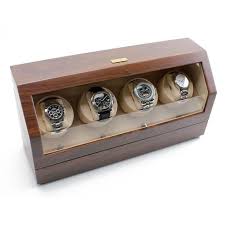
Here’s where the plot thickens for many watch owners. The term “kinetic watch winder” might sound intuitive, but a standard watch winder designed for automatic mechanical watches typically won’t effectively charge a kinetic timepiece. Why? The fundamental difference lies in how energy is stored and utilized.
Automatic watches rely on the winder’s gentle, consistent rotation to keep their mainspring wound, ensuring the watch continues to tick. Kinetic watches, however, need to generate sufficient electrical charge for their capacitor or rechargeable battery. This usually requires a higher number of rotations and often at a greater speed than a conventional automatic watch winder provides.
“Many watch enthusiasts mistakenly believe that a standard watch winder will work for their kinetic watches, but the energy requirements are simply different,” explains Dr. Evelyn Reed, a renowned horology expert. “Kinetic movements demand more vigorous motion or specialized magnetic induction to build up a charge efficiently.”
Do Kinetic Watches Even Need a Winder?
One of the great advantages of kinetic watches is their impressive power reserve. Once fully charged, many kinetic models can run for several months, and some even for years, without needing further movement. This is a stark contrast to automatic watches, which typically have a power reserve of only 1-3 days.
So, if your kinetic watch is regularly worn, it’s highly unlikely you’ll ever need to worry about it losing power. Daily activities like walking, driving, or even just moving your arms naturally keep the rotor spinning and the watch charged.
However, if you own multiple kinetic watches and rotate them infrequently, or if a particular kinetic watch sits unused for a very long time, its power reserve might eventually deplete. In such cases, while a “kinetic watch winder” in the traditional sense isn’t the solution, there are indeed ways to bring your timepiece back to life.
Actual Solutions for Charging a Kinetic Watch
If your kinetic watch has run down, fret not! There are effective ways to recharge it:
The Simplest Method: Wear It!
The most straightforward and intended way to charge a kinetic watch is simply to wear it. Consistent wrist movement throughout your day will typically provide enough motion to get the rotor spinning and generate the necessary charge. You might need to wear it for several hours or even a few days to build up a substantial reserve if it’s completely depleted.
Specialized Kinetic Chargers
For those situations where wearing the watch isn’t enough, or if you prefer a dedicated charging solution, specialized kinetic watch chargers do exist. These are often different from standard automatic watch winders. Some operate on magnetic induction principles, creating an electromagnetic field that recharges the watch. However, these devices were historically produced by Seiko primarily for technicians and dealers and are not widely available to the average consumer. Some third-party manufacturers have developed “kinetic watch winders/chargers” that claim to be effective, often by providing more vigorous motion or using magnetic fields, but it’s crucial to research their compatibility and effectiveness for your specific watch model.
Manual Winding (Kinetic Direct Drive Models)
Certain advanced kinetic models, such as Seiko’s Kinetic Direct Drive, offer the added convenience of manual winding via the crown. This feature allows wearers to actively generate power, providing a direct interaction with their timepiece and a quick way to top up the charge.
Benefits of Owning a Kinetic Watch (Even Without a Winder)
Beyond the charging nuances, kinetic watches offer a compelling package of benefits that make them a favorite among many watch aficionados:
- Exceptional Accuracy: Thanks to their quartz crystal oscillator, kinetic watches provide the precise timekeeping accuracy that quartz movements are known for.
- Eco-Friendly Design: By generating their own electricity from motion, kinetic watches reduce reliance on disposable batteries, contributing to less waste. This aligns perfectly with a more sustainable approach to watch collecting.
- Low Maintenance: Say goodbye to frequent battery changes. A regularly worn kinetic watch requires very little intervention to keep it running flawlessly.
- Convenience: The long power reserve means you can take off your kinetic watch for extended periods without it stopping, unlike many automatics. This saves you the hassle of resetting the time and date.
Choosing the Right Watch Accessory (Beyond the “Kinetic Watch Winder”)
Understanding the difference between kinetic and automatic movements is key to choosing the right accessories for your collection.
- For Automatic Watches: If you primarily own automatic mechanical watches, a high-quality watch winder is an invaluable accessory. It keeps your watches wound, lubricated, and ready to wear, preserving their intricate mechanisms and saving you time. Look for winders with adjustable turns per day (TPD) and directional settings to match your specific watch’s requirements.
- For Kinetic Watches: Instead of seeking a “kinetic watch winder,” focus on wearing your kinetic watch regularly. If extended periods of inactivity are unavoidable, consider specialized kinetic chargers if available, or simply plan to wear it for an adequate duration to recharge. Think of your arm as the ultimate kinetic energy supplier!
Common Misconceptions About Kinetic Watch Winders
Let’s clear up some lingering myths:
- “A kinetic watch winder works just like an automatic winder.” False. The energy generation and storage mechanisms are fundamentally different. Automatic winders wind a mainspring; kinetic movements convert motion into electricity for a battery/capacitor.
- “All watch winder brands offer effective kinetic watch winders.” Not true. Most general watch winders are designed for automatic mechanical movements. Specialized kinetic chargers are less common and operate differently.
- “Kinetic watches need constant winding to stay accurate.” Also false. Kinetic watches boast long power reserves, and their quartz accuracy means they stay precise even after a long period of inactivity once they are recharged.
Conclusion
The journey into the world of “kinetic watch winders” reveals an important distinction in horology. While the term might be a misnomer for traditional automatic watch winders, kinetic watches themselves are a testament to innovative watchmaking, offering a blend of accuracy, convenience, and environmental consciousness. By understanding how your kinetic watch truly generates and stores power, you can ensure it remains a reliable and cherished part of your collection. Embrace the unique engineering of your kinetic timepiece, wear it proudly, and let your everyday movements be the powerful engine that keeps it ticking with precision and grace.