So, you’ve got an automatic watch, right? That beautiful piece of engineering that comes alive with every flick of your wrist. But what happens when it’s not adorning your arm, perhaps sitting quietly on your dresser for a few days? It stops. And then you’re faced with the minor chore of resetting the time, date, and any other cool complications. That’s where a trusty Single Watch Winder steps in, acting like your watch’s personal valet, ensuring it’s always ready for action.
A single watch winder is a dedicated device designed to keep one automatic timepiece continuously wound, mimicking the natural motion your wrist provides. It’s more than just a fancy box; it’s a silent guardian for your mechanical marvel, ensuring its intricate gears and springs are always in perfect sync. For anyone with a cherished automatic watch, especially if it’s not a daily wear, a single watch winder isn’t just a luxury—it’s a smart investment in convenience and longevity.
What Exactly is a Single Watch Winder, and Why Do You Need One?
Let’s talk watches for a moment. Automatic watches are masterpieces of micro-mechanics, powered by a self-winding mechanism that relies on kinetic energy. In simpler terms, your movement keeps it ticking. When you wear it, a weighted rotor inside spins, winding the mainspring. But when it’s off your wrist, this power reserve slowly depletes, and eventually, your watch will fall silent.
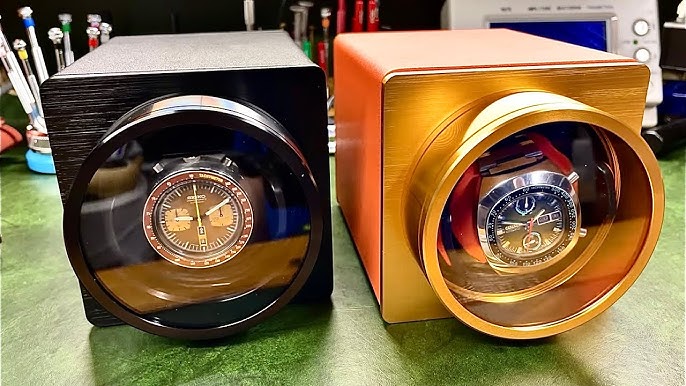
This is precisely where a single watch winder becomes indispensable. It’s a compact machine that gently rotates your watch through programmed cycles, simulating the wrist movement it needs to stay wound. Think of it as a mini gym for your timepiece, ensuring its heart keeps beating even when you’re not wearing it. While some might think of winders as only for expansive collections, a single watch winder is perfect for that one special timepiece you want to keep pristine and perpetually ready. It saves you the hassle of continually resetting the time, date, and any complex features like moon phases or perpetual calendars, which can be quite a delicate and time-consuming task.
The Unbeatable Benefits of a Single Watch Winder
Choosing to invest in a single watch winder brings a surprising array of benefits, extending far beyond simple convenience. It’s about preserving the life and value of your automatic watch.
Convenience: Always Ready to Wear
Imagine this: You’re rushing out the door, glance at your favorite automatic, and it’s stopped. Now you’re scrambling to reset it, making you late. A single watch winder eliminates this frustration entirely. Your watch remains wound, accurate, and ready to strap on at a moment’s notice, no matter how long it’s been since you last wore it. It’s the ultimate ‘grab and go’ solution for your automatic timepiece.
Longevity & Health of the Movement: Maintaining Lubrication
One of the lesser-known but most crucial benefits of a watch winder is its role in the long-term health of your watch’s movement. Inside every automatic watch are hundreds of tiny, precisely engineered components lubricated with special oils. If a watch is left stationary for extended periods, these lubricants can settle, thicken, or even dry out, leading to increased friction and potential wear on the delicate parts. Regular, gentle motion from a winder helps keep these oils evenly distributed, ensuring the movement operates smoothly and efficiently. This can significantly extend the intervals between costly servicing and ultimately prolong the life of your cherished timepiece.
Preserving Complications: No More Resetting Headaches
For watches with complex complications like perpetual calendars, moon phases, or annual calendars, resetting them after they’ve stopped can be a daunting and intricate process. Each adjustment needs to be made carefully to avoid damaging the delicate mechanisms. A single watch winder keeps these complications running correctly, so you never have to grapple with setting them again, saving you time, effort, and potential repair bills.
Protection & Display: Secure Showcase
Beyond its winding function, a single watch winder often doubles as an elegant display case, protecting your watch from dust, scratches, and accidental bumps. Many come with clear viewing windows, allowing you to admire your timepiece even when it’s not on your wrist. It provides a secure, dedicated home for your watch, preventing it from being misplaced or damaged in a drawer.
Navigating the Market: Types of Single Watch Winders
While the core function of a single watch winder remains consistent—to wind one automatic watch—the market offers a diverse range of styles, materials, and features. You’ll find everything from sleek, minimalist cubes to luxurious wooden or leather-bound cases. Some are designed for ultimate portability, small enough to slip into a travel bag, while others are crafted to be statement pieces on a desk or nightstand. The choice often comes down to your personal aesthetic, where you plan to place it, and the specific features you prioritize. Despite the variations, the focus remains on dedicated, precise winding for a single, valued timepiece.
How to Choose the Perfect Single Watch Winder for Your Precious Timepiece
Picking the right single watch winder can feel a bit like choosing the perfect home for your beloved watch. It needs to be functional, aesthetically pleasing, and protective. Here’s what to look for:
Understanding Turns Per Day (TPD) and Rotation Direction
This is arguably the most critical factor. Every automatic watch movement has specific winding requirements: a certain number of Turns Per Day (TPD) and a preferred rotation direction (clockwise, counter-clockwise, or bi-directional). A good single watch winder will offer adjustable TPD settings and multiple rotation options to match your watch’s specifications precisely. Using incorrect settings can lead to insufficient winding or unnecessary wear, so always check your watch’s manual or consult the manufacturer’s guidelines. Many winder brands, like WOLF, even offer online databases to help you find the right settings for specific watch models.
The Heart of the Winder: Motor Quality and Noise Level
A watch winder is only as good as its motor. High-quality Japanese or Swiss-made motors are often preferred for their reliability, durability, and, crucially, their silent operation. Nobody wants a buzzing distraction in their bedroom or office. Investing in a winder with a reputable motor ensures consistent, smooth rotation without irritating noise, making it a pleasant addition to any space.
Material Matters: Build Quality and Aesthetic Appeal
From elegant wood finishes and luxurious leather to modern carbon fiber and sleek acrylic, the materials used dictate both the durability and the visual appeal of your winder. Consider how the winder will integrate with your existing décor and watch collection. A robust build quality, including sturdy hinges and a well-fitted door, contributes to its longevity and provides better protection for your watch.
Secure Fit: Cushion and Holder Design
The cushion or holder inside the winder needs to securely accommodate your watch without stretching the bracelet or strap, or allowing the watch to rattle around. Look for adjustable cushions that can fit various wrist sizes comfortably. Some advanced designs feature patented lock-in cuffs that ensure your watch remains perfectly centered and stable during its winding cycles.
Powering Your Winder: AC vs. Battery Options
Most single watch winders offer power flexibility. AC adapters are ideal for continuous operation at home or in an office, providing a steady power supply. Battery-powered options, on the other hand, offer unparalleled portability and are perfect for placing your winder inside a safe or carrying it with you when you travel. Some models even support both, giving you the best of both worlds.
Size and Portability: Finding Your Ideal Footprint
One of the distinct advantages of a single watch winder is its compact size. If you have limited space on your nightstand or desk, or if you frequently travel with your watch, a compact and lightweight model is key. These smaller units are designed to be unobtrusive yet effective.
Budget Considerations: Investing in Quality
Watch winders range widely in price. While it’s tempting to opt for the cheapest option, remember that the motor quality is paramount. An inexpensive winder with a poor motor can potentially damage your watch through inconsistent winding or magnetic interference. Set a budget, but prioritize quality, especially the motor and build, over unnecessary features. A good quality single watch winder is an investment that protects a more significant investment—your automatic watch.
Setting Up Your Single Watch Winder for Optimal Performance
Getting your single watch winder ready to go is straightforward, but a few key steps will ensure your timepiece receives the best care.
- Check Your Watch’s Specifications: The most crucial first step is to consult your watch’s manual or the manufacturer’s website. You need to know the recommended TPD (Turns Per Day) and the winding direction (clockwise, counter-clockwise, or bi-directional). If you can’t find specific details, many watches wind bi-directionally, and a TPD of 650-850 is a common starting point.
- Power Up Your Winder: Connect your winder to an AC power source or insert fresh batteries, depending on your model.
- Adjust Settings: Set the TPD and rotation direction on your winder according to your watch’s requirements. Many quality winders offer various programs and rest periods to simulate natural wear.
- Partially Wind Your Watch: Before placing your watch in the winder, give it about 20-30 manual turns of the crown to build up a small power reserve. This ensures the watch starts operating smoothly.
- Secure Your Watch: Place your watch securely on the winder’s cushion or holder. Ensure it fits snugly but not too tightly, to avoid stretching the strap or damaging the spring bars. Make sure it’s centered and stable.
Once set, your single watch winder will take over, diligently keeping your automatic watch wound and ready for your next adventure.
Keeping Your Winder Pristine: Maintenance Tips
Just like your watch, your single watch winder benefits from a little care to ensure it runs smoothly for years to come.
- Regular Cleaning: Gently wipe the exterior of your winder with a soft, dry, or slightly damp cloth to remove dust and fingerprints. For models with glass windows, use a non-abrasive cleaner to keep them sparkling.
- Inspect Cushions: Periodically check the watch cushion or holder for any signs of wear or damage. Ensure it still provides a secure and gentle grip on your watch.
- Check Power Source: If using batteries, replace them regularly to avoid power interruptions. For AC-powered units, ensure the cable is not frayed or damaged.
- Placement Matters: Keep your winder away from direct sunlight, extreme temperatures, and high humidity, which can affect both the winder’s components and your watch. Avoid placing it near strong magnetic fields, which could interfere with your watch’s accuracy.
- Gentle Handling: While built to last, handle your winder with care to prevent accidental drops or impacts that could damage the motor or casing.
A well-maintained single watch winder will continue to serve its purpose flawlessly, protecting your watch for the long haul.
Debunking the Myths: What You Should Know About Watch Winders
There are a few misconceptions floating around about watch winders. Let’s clear them up.
- “Watch winders cause unnecessary wear and tear.” This is a common concern. However, a high-quality watch winder, used with the correct TPD and rotation settings, will not significantly accelerate wear. In fact, by keeping lubricants distributed, it can actually help maintain the movement’s health. Think of it this way: your watch is designed to run. A winder simply facilitates its intended operation when you’re not wearing it. Continuous, excessive spinning might eventually lead to more wear over many decades, but modern winders are designed with intermittent cycles to mitigate this.
- “Watch winders can overwind my watch.” This is largely a myth for modern automatic watches. They are equipped with a “slipping bridle” mechanism in the mainspring that prevents overwinding by allowing the mainspring to slip when fully wound. So, you don’t need to worry about damaging your watch by keeping it on a winder. However, using the correct TPD ensures efficiency and avoids unnecessary rotation.
- “Watch winders are only for huge collections.” Absolutely not! While multi-watch winders cater to collectors with many timepieces, a single watch winder is specifically designed for individuals who own one or two primary automatic watches. It offers the same benefits of convenience and preservation but in a compact, dedicated form factor, making it perfect for the discerning owner of a single, cherished automatic watch.
In essence, a watch winder is a tool for convenience and care, designed to work with your watch’s natural mechanics, not against them.
Frequently Asked Questions About Single Watch Winders
Let’s tackle some common questions you might have about these handy devices.
What is the primary purpose of a single watch winder?
A single watch winder keeps one automatic (self-winding) watch running and accurate when it’s not being worn, preventing it from stopping and needing to be manually reset.
Do I really need a watch winder for just one automatic watch?
While not strictly “essential” if you wear your watch daily or don’t mind resetting it, a single watch winder offers significant convenience and helps maintain the internal lubrication of your watch’s movement, potentially extending its lifespan and reducing service needs.
Can a watch winder damage my automatic watch?
No, a quality watch winder, when used with the correct Turns Per Day (TPD) and rotation direction settings for your specific watch, will not damage it. Modern automatic watches have built-in mechanisms to prevent overwinding.
How do I know the correct TPD and rotation direction for my watch?
You should always consult your watch’s user manual or the manufacturer’s official website for the precise TPD and rotation direction. Many reputable watch winder brands also provide online databases with this information for various watch models.
Should I use a single watch winder for my quartz or manual-wind watch?
No, a watch winder is only for automatic watches. Quartz watches are battery-powered and do not need winding, while manual-wind watches must be wound by hand via the crown.
How often should I use my single watch winder?
You can keep your watch on the winder continuously if you wish, especially if it has complex complications. Alternatively, you can use it only when you anticipate not wearing your watch for a few days to keep it ready to wear.
Are all single watch winders noisy?
Not at all. High-quality single watch winders often feature silent Japanese or Swiss motors, making them quiet enough for bedroom or office environments. Always check reviews and product specifications for noise levels before purchasing.
Conclusion
Owning an automatic watch is a joy, a testament to intricate craftsmanship and timeless design. A single watch winder is the perfect companion, ensuring that this joy is never interrupted by a stopped timepiece. It’s an investment in convenience, offering the simple pleasure of grabbing your watch and going, knowing it’s already set and perfectly accurate. More profoundly, it’s an act of care, helping to maintain the delicate lubricants within its movement, thereby extending its life and preserving its value.
Whether you’re a seasoned collector with one treasured automatic or someone just starting their journey into mechanical watches, embracing a single watch winder is a decision that pays dividends in both practicality and peace of mind. Give your automatic watch the continuous care it deserves, and it will keep ticking perfectly for years to come. Explore the world of single watch winders and discover how they can elevate your watch-wearing experience.