For enthusiasts of fine timepieces, a TAG Heuer watch represents more than just a device for telling time; it’s a statement of precision engineering, sporty elegance, and enduring heritage. Whether you own an iconic Carrera, a robust Aquaracer, or a classic Monaco, these automatic watches are marvels of mechanical craftsmanship. But what happens when your TAG Heuer isn’t adorning your wrist? That’s where a high-quality Tag Watch Winder becomes an indispensable accessory, ensuring your beloved timepiece is always ready for action, perfectly wound, and keeping accurate time.
What is a Watch Winder and Why Does Your TAG Heuer Need One?
At its core, a watch winder is a device designed to keep automatic mechanical watches running when they are not being worn. It mimics the natural motion of your wrist, rotating the watch to keep its self-winding mechanism engaged. For a luxury brand like TAG Heuer, which invests heavily in the intricate movements that power their watches, a tag watch winder isn’t just a convenience; it’s a vital part of proper care.
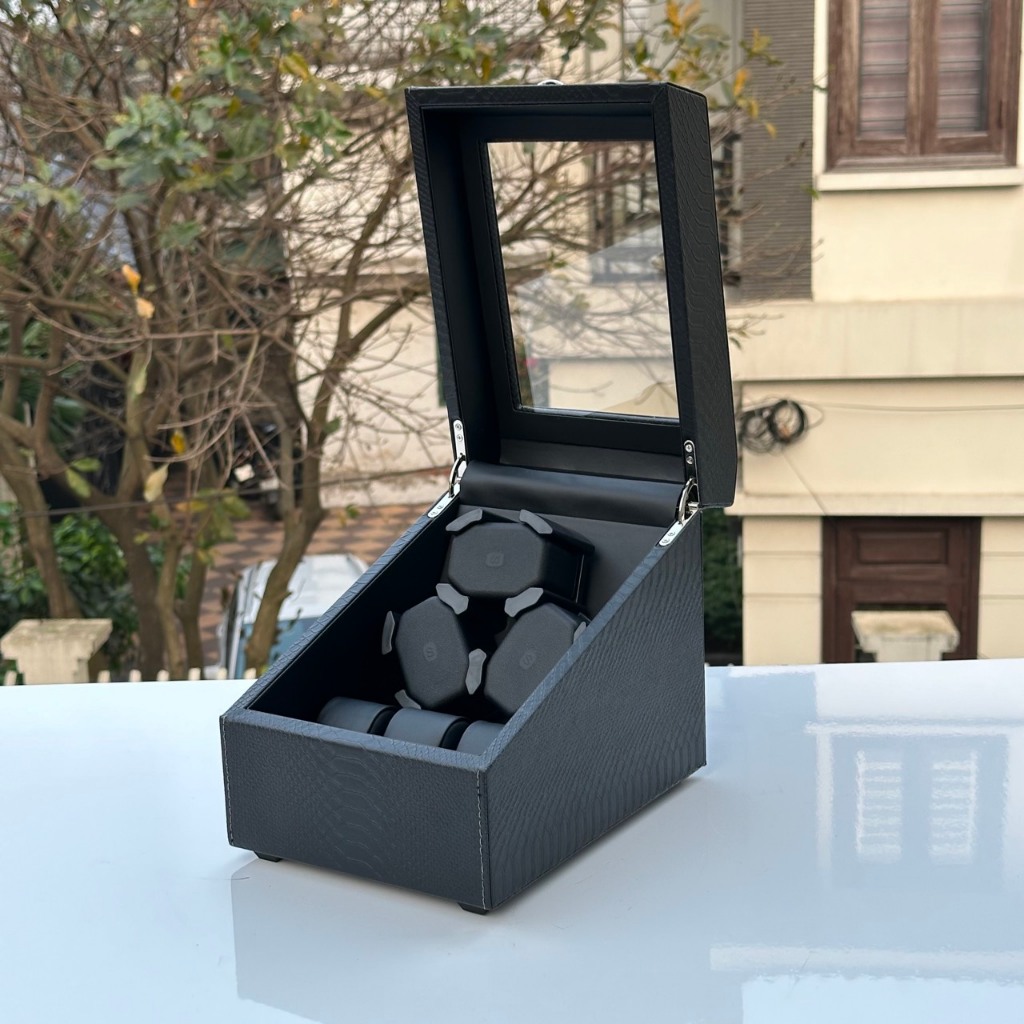
“A watch winder is like a mini-gym for your automatic watch’s movement,” explains Marius Moreau, a seasoned Swiss watch technician. “It keeps the gears and springs active, which is crucial for the longevity and performance of high-precision calibres like those found in TAG Heuer.”
Without regular winding, the lubricants within your TAG Heuer’s movement can settle and thicken over time, potentially leading to increased friction and wear. A winder ensures these vital oils remain evenly distributed, preserving the health of your watch’s heart.
The Undeniable Benefits of Using a Watch Winder for Your Prized TAG Heuer
Investing in a quality tag watch winder offers a multitude of advantages that go beyond mere convenience, safeguarding your investment and enhancing your ownership experience.
- Optimal Performance and Accuracy: Your TAG Heuer is engineered for precision. A watch winder keeps the mainspring consistently wound, allowing the movement to operate at its most stable and accurate rate. This means less deviation in timekeeping and a watch that performs as intended.
- Preservation of Internal Lubricants: The delicate gears and pivots inside your automatic TAG Heuer rely on microscopic amounts of specialized lubricants. When a watch sits dormant for extended periods, these lubricants can congeal, leading to increased friction and potential wear. A winder keeps the movement in motion, ensuring these lubricants remain evenly distributed and effective.
- Convenience and Readiness: Imagine grabbing your TAG Heuer from its winder, slipping it on, and it’s already set to the correct time and date. No need to manually wind it, reset the time, or adjust the date, especially if it’s a complicated model like a chronograph with perpetual calendar. This “grab-and-go” readiness is a major benefit for those with busy lifestyles or multiple watches.
- Extending Service Intervals (Potentially): While a watch winder doesn’t eliminate the need for regular servicing, some horology experts suggest that consistent operation can reduce the stress of frequent start-stop cycles, potentially contributing to longer intervals between professional maintenance, especially for vintage models.
- Protection and Display: A watch winder often doubles as an elegant display case, protecting your TAG Heuer from dust, scratches, and accidental bumps while showcasing its beauty. Many are crafted from fine materials, making them a luxurious addition to any room.
Understanding TAG Heuer Winding Requirements: TPD and Direction
Choosing the right tag watch winder hinges on understanding the specific winding requirements of your watch’s movement. These are typically defined by two factors: Turns Per Day (TPD) and winding direction.
- Turns Per Day (TPD): This refers to the number of rotations the winder makes in a 24-hour cycle. Most modern automatic movements require between 650 and 800 TPD.
- Winding Direction: Watches can wind clockwise (CW), counter-clockwise (CCW), or bi-directionally (both CW and CCW).
Here are general guidelines for some common TAG Heuer movements; always verify with your watch’s manual or a reliable database for specific models:
- TAG Heuer Calibre 5 (based on ETA 2824-2 or Sellita SW200-1): Typically requires 650-750 TPD, Bi-directional.
- TAG Heuer Calibre 16 (based on Valjoux 7750): Often requires 800 TPD, Clockwise.
- TAG Heuer Calibre Heuer 01/02: Generally needs 650-750 TPD, Bi-directional.
Most quality watch winders offer multiple TPD settings and direction options, allowing you to customize the program for your specific TAG Heuer model.
Popular Types of Watch Winders: Finding the Perfect Match for Your TAG Heuer Collection
Watch winders come in various designs and functionalities, catering to different needs and aesthetic preferences. Understanding the types available will help you choose the ideal tag watch winder.
- Single Watch Winders: Perfect for owners of one or two automatic watches. These are compact, often portable, and designed to keep a single timepiece optimally wound. They are ideal for showcasing a prized TAG Heuer.
- Multi-Watch Winders: For collectors with several automatic watches, these units can accommodate two, four, six, or even more watches simultaneously. Many multi-watch winders offer independent programming for each watch head, allowing you to set different TPD and direction for each TAG Heuer in your collection.
- Watch Winder Safes: Combining security with functionality, these are typically high-security safes with integrated watch winding mechanisms. They offer superior protection for your valuable TAG Heuer collection against theft and damage, while keeping them perfectly wound.
- Travel Watch Winders: Compact and often battery-operated, these winders are designed for those who travel frequently and want to keep their automatic watch running on the go.
How to Choose the Right Watch Winder for Your TAG Heuer
Selecting the best tag watch winder involves considering several factors to ensure it meets both the technical needs of your watch and your personal preferences.
- Compatibility with TAG Heuer Movements: As discussed, confirm the winder offers the correct TPD and winding direction settings for your specific TAG Heuer calibre. Most reputable winders provide a range of settings.
- Quality of Motor and Quiet Operation: A high-quality winder uses a silent, reliable motor, often Japanese (Mabuchi) or Swiss-made. You don’t want a noisy winder disrupting your peace. Look for descriptions that emphasize “whisper-quiet” or “silent operation.”
- Adjustable Settings: The more programmable options (TPD settings, multiple directions, start delay, intermittent rotation), the more versatile the winder will be for different TAG Heuer models or future watch acquisitions.
- Security and Protection: Ensure the winder securely holds your watch without scratching it. Soft cushions and sturdy housings are essential. For multi-watch winders, check the spacing between watches to prevent them from touching.
- Aesthetics and Materials: A TAG Heuer is a piece of art; its winder should complement its elegance. Consider materials like fine wood finishes, leather, carbon fiber, or high-quality plastics that match your decor and personal style.
- Power Source: Most winders operate via AC adapter, but some offer battery options for portability or placement in areas without outlets.
- Brand Reputation and Warranty: Opt for watch winder brands known for their reliability and customer service. A good warranty provides peace of mind.
Setting Up and Using Your TAG Heuer Watch Winder Correctly
Once you’ve chosen your ideal tag watch winder, proper setup and usage are key to maximizing its benefits and protecting your timepiece.
- Ensure Your Watch is Fully Wound: Before placing your TAG Heuer on the winder, ensure it is fully wound. For most automatics, wearing it for several hours or manually winding it 30-40 turns of the crown will achieve this. This allows the winder to simply maintain the power reserve.
- Mount Your Watch Securely: Gently place your TAG Heuer onto the winder’s cushion or holder. Ensure it fits snugly and is centered to avoid imbalance during rotation. The watch should not be loose or able to rub against the winder’s housing.
- Select the Correct TPD and Direction:
- Refer to your TAG Heuer’s manual or a reliable online database for the specific TPD and winding direction (CW, CCW, or Bi-directional) for its movement.
- Set these parameters on your watch winder. If your winder has multiple settings, start with the recommended TPD for your movement and adjust if necessary.
- Tip: If you’re unsure of the exact TPD, starting with a bi-directional setting around 650-750 TPD is often a safe initial choice for many modern automatics.
- Power On and Monitor: Connect the winder to its power source and turn it on. Observe its operation for a short period to ensure it’s functioning smoothly and quietly. Check your watch periodically to confirm it’s staying wound.
- Placement: Place your winder on a stable, flat surface away from direct sunlight, extreme temperatures, strong magnetic fields (e.g., speakers, large appliances), and excessive vibrations.
Tips for Maintaining Your Watch Winder and Protecting Your TAG Heuer
Maintaining your tag watch winder ensures its longevity and continues to provide optimal care for your valuable timepiece.
- Keep it Clean: Regularly wipe down the winder’s exterior with a soft, lint-free cloth to remove dust and fingerprints. For glass or acrylic covers, use a suitable cleaner to maintain clarity.
- Inspect Cushions/Holders: Periodically check the watch cushions or holders for wear and tear. Replace them if they become compressed or damaged, as this could affect how securely your TAG Heuer is held.
- Avoid Overloading: While multi-watch winders are designed for several watches, ensure you’re not exceeding the manufacturer’s recommended capacity or weight limits.
- Protect from Magnets: Always be mindful of strong magnetic fields in your environment. While TAG Heuer watches often feature some level of anti-magnetism, prolonged exposure to powerful magnets can still affect accuracy.
- Follow Manufacturer Guidelines: Adhere to any specific maintenance or usage instructions provided by the watch winder manufacturer.
Common Misconceptions About Watch Winders and TAG Heuer Timepieces
Despite their benefits, watch winders sometimes fall prey to common myths. Let’s debunk a few, especially concerning luxury watches like TAG Heuer.
- “Watch Winders Cause Unnecessary Wear and Tear”: This is largely untrue for quality winders. Modern winders are designed with intermittent rotation programs (e.g., winding for an hour, resting for three) that prevent constant stress on the movement. A properly set winder with the correct TPD and direction will keep your watch healthy, not harm it.
- “My Watch Will Get Over-Wound”: Automatic watches have a slipping clutch mechanism that prevents over-winding once the mainspring is fully tensioned. A watch winder will not force extra winding beyond this point.
- “Winders Are Only for Complicated Watches”: While complications like perpetual calendars benefit greatly from being kept wound, even a simple time-only automatic TAG Heuer benefits from consistent lubrication and readiness.
- “It’s Better to Let the Watch Stop and Rest”: While letting a watch stop won’t inherently damage it, it means the lubricants sit still and can congeal faster, potentially increasing wear upon restart. Keeping it running gently is generally better for the movement’s long-term health.
- “All Watch Winders Are the Same”: Far from it. The quality of the motor, the programming options, and the materials vary greatly. A cheap winder might use a noisy, unreliable motor or lack proper TPD settings, which could be detrimental to a high-end TAG Heuer.
Frequently Asked Questions About Your TAG Heuer Watch Winder
Do I really need a watch winder for my TAG Heuer?
If you own an automatic TAG Heuer and don’t wear it daily, a watch winder is highly recommended. It keeps the watch running, maintains lubrication, preserves accuracy, and ensures your watch is always ready to wear without needing to be reset.
What TPD setting should I use for my TAG Heuer Calibre 5?
For most TAG Heuer watches featuring the Calibre 5 movement (which is often based on the ETA 2824-2 or Sellita SW200-1), a setting of 650-750 TPD in a bi-directional rotation is generally recommended. Always consult your watch’s manual or a specific movement database for precise information.
Can a watch winder damage my TAG Heuer?
A high-quality watch winder, correctly set to your TAG Heuer’s specifications, will not damage your watch. Problems arise from cheap winders with poor motors or incorrect settings that put undue stress on the movement. Always choose a reputable brand and verify the settings.
How often should my TAG Heuer be on a winder?
If you’re not wearing your automatic TAG Heuer, it can remain on the winder continuously. The winder’s intermittent rotation cycles are designed to maintain the power reserve without causing excessive wear.
Are there specific watch winder brands recommended for TAG Heuer?
While TAG Heuer doesn’t typically produce their own branded winders, many premium watch winder brands such as Wolf, Orbita, or Rapport London are excellent choices. They offer quality motors, diverse settings, and elegant designs suitable for luxury watches.
Conclusion
Your TAG Heuer is a masterpiece of horological art, a blend of precision, performance, and prestige. Owning such a magnificent timepiece comes with the responsibility of proper care, and a high-quality tag watch winder stands as an essential component of that commitment. It’s more than just an accessory; it’s an investment in the longevity, accuracy, and readiness of your cherished automatic watch. By understanding its benefits, selecting the right one, and using it correctly, you ensure your TAG Heuer continues to tell time flawlessly for years to come, always poised for its next adventure. Embrace the convenience and protection a watch winder offers, and let your TAG Heuer maintain its peak performance, even when off your wrist.