For any devoted watch enthusiast, the allure of a finely crafted automatic timepiece goes far beyond simply telling time. It’s about precision engineering, intricate movements, and a legacy of horological artistry. But let’s be honest, keeping multiple automatic watches wound and ready to wear can feel like a full-time job. That’s where a Triple Watch Winder steps in, transforming a logistical challenge into a seamless, elegant experience. This isn’t just a fancy accessory; it’s an indispensable tool for collectors looking to maintain their prized possessions in peak condition.
What Exactly is a Triple Watch Winder, and Why Do You Need One?
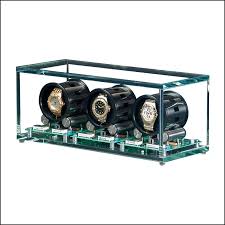
At its core, a watch winder is a device designed to mimic the natural motion of your wrist, keeping automatic watches powered when they’re not being worn. Unlike quartz watches that rely on batteries, automatic timepieces harness kinetic energy from your movements to wind their mainsprings. When left idle, these mechanical marvels will eventually stop, typically after 40-72 hours, depending on their power reserve. A triple watch winder specifically accommodates three such watches, ensuring they remain wound, accurate, and always ready for their next outing.
Think of it as a personal assistant for your watches. For those who own a collection of three or more automatic watches and enjoy rotating them, a triple watch winder becomes absolutely essential. It eliminates the frustration of constantly resetting the time, date, and any complex complications every time you decide to switch up your wrist candy.
The Undeniable Benefits of Using a Triple Watch Winder
Investing in a quality triple watch winder offers a cascade of advantages for any serious collector.
Always Ready to Wear: Convenience Redefined
Imagine reaching for your favorite timepiece, perhaps a perpetual calendar or a moon phase watch, only to find it stopped and requiring painstaking adjustment. It’s a common scenario for collectors with multiple watches. A triple watch winder ensures that each of your three chosen automatic watches remains fully wound and precisely set, ready to be strapped on at a moment’s notice. This unparalleled convenience saves you precious time and eliminates the fiddly task of manual resetting, especially for those intricate complications that are a joy to behold but a headache to recalibrate.
Preserving Timekeeping Accuracy
An automatic watch performs at its most accurate when its mainspring is sufficiently wound. As the power reserve diminishes, the watch’s timing can begin to drift, leading to inaccuracies. Furthermore, the tiny, precision-engineered components within your automatic watches rely on specialized lubricants to prevent friction. Regular movement, as provided by a watch winder, keeps these oils evenly distributed throughout the movement, preventing them from settling or thickening. This continuous, gentle motion is key to maintaining the watch’s optimal performance and long-term accuracy.
Protecting Your Investment: Reducing Wear and Maintaining Lubrication
One of the most compelling arguments for using a watch winder is the protection it offers to your valuable timepieces. Constantly pulling out the crown to manually wind and set a watch can introduce unnecessary wear and tear on delicate internal components. A winder handles this task automatically, reducing stress on the crown and winding mechanism over time. “Keeping your watches regularly active helps maintain the fluidity of the internal lubricants, much like a car engine needs to run to keep its oil circulating,” explains Dr. Elias Thorne, a renowned horology expert. “This constant, gentle movement is far less taxing on the watch’s mechanism than repeated manual winding and stopping.” This care ultimately contributes to the longevity of your watch, preserving its intricate movement and potentially extending its service life.
An Elegant Display and Secure Storage Solution
Beyond their practical functionality, many triple watch winders are crafted with aesthetics in mind. They transform utilitarian storage into an attractive display element, showcasing your impressive timepieces while keeping them perfectly wound. Often made from luxurious materials like fine wood, supple leather, or sleek carbon fiber, these winders add a touch of sophistication to your dresser, desk, or watch vault. Furthermore, they provide a controlled environment, protecting your watches from dust, humidity fluctuations, and accidental knocks that can occur with unnecessary handling.
Navigating the Market: Types of Triple Watch Winders
The world of triple watch winders is diverse, offering a range of features to suit every collector’s needs and preferences. Understanding these types can help you make an informed decision.
Material and Design Aesthetics
Watch winders are often chosen not only for their function but also for their appearance. You’ll find models crafted from:
- Solid Woods: Offering a classic, sophisticated look, often with high-gloss finishes.
- Fine Leathers: Providing a luxurious and tactile experience, frequently seen in executive or travel-friendly designs.
- Carbon Fiber: For a modern, high-tech, and often sporty aesthetic.
- High-Grade Acrylic or Metal: Giving a contemporary and minimalist appeal, sometimes with transparent displays.
Some premium winders even incorporate sustainable materials, like apple-based biomaterial, as seen in certain collections, showcasing a blend of luxury and eco-consciousness.
Motor Technology
The heart of any watch winder is its motor. High-quality triple watch winders typically feature:
- Silent Motors: Essential for placement in bedrooms or quiet studies. Japanese Mabuchi motors are often cited for their quiet, reliable operation.
- Programmable Settings: Allowing you to customize the Turns Per Day (TPD) and rotation direction (clockwise, counter-clockwise, or bi-directional) to match the specific requirements of each watch’s movement.
- Individual Control: Many triple winders offer independent controls for each winding module, a crucial feature for collections with diverse watch movements.
- Rest Cycles: Quality winders incorporate programmed rest periods, mimicking the natural stop-and-go motion of a watch on a wrist, ensuring optimal care without overwinding.
Power Options
Consider how and where you’ll use your winder:
- AC Powered: Provides continuous, reliable operation, ideal for home display.
- Battery Powered: Offers portability and placement flexibility, useful if you need to move your winder or don’t want visible cords. Some models even feature power reserve functions to handle brief outages.
Additional Features
Modern triple watch winders can come with a host of extra functionalities:
- Integrated Storage: Many winders include drawers or compartments for storing additional watches, jewelry, or other valuables.
- Smart Controls: Some advanced models feature Bluetooth connectivity, allowing you to control and program the winder via a smartphone app.
- LED Lighting: Enhances the display of your watches, making them a focal point in any room.
- Lockable: For added security of your valuable collection.
How to Choose the Perfect Triple Watch Winder for Your Timepieces
Selecting the right triple watch winder isn’t just about picking the prettiest box; it’s about matching its capabilities to the unique needs of your automatic watches.
Understanding TPD (Turns Per Day) and Rotation Direction
This is perhaps the most critical factor. Every automatic watch movement has specific requirements for the number of Turns Per Day (TPD) and the direction of rotation (clockwise, counter-clockwise, or bi-directional) it needs to stay optimally wound. “Always consult your watch’s manual or the manufacturer’s website for its precise TPD and winding direction specifications,” advises Master Watchmaker, Isabella Rossi. “Using incorrect settings won’t necessarily damage your watch, but it won’t keep it properly wound either.” Look for a triple watch winder that offers versatile programming options for both TPD and direction for each individual winding station.
Considering Your Collection’s Needs
- Watch Size and Weight: Ensure the winder’s cushions or holders can securely accommodate your watches without stretching bracelets or damaging straps. Adjustable cuffs are a great feature.
- Diversity of Movements: If your three watches have different winding requirements, a winder with individually programmable modules is non-negotiable.
- Storage Beyond Winding: If you have more than three watches or other accessories, consider a triple winder with additional storage compartments.
Quality Matters: Investing in Reputable Brands
As with any precision accessory for luxury items, quality is paramount. “Avoid cheap, unbranded winders,” warns Rossi. “Poorly made motors can be noisy, inconsistent, or even generate magnetic fields that could affect your watch’s accuracy.” Brands like WOLF, Diplomat, and Rapport are known for their reliable motors, precise winding technology, and durable construction. A quality winder is an investment that protects your timepieces in the long run.
Matching Style with Functionality
Your triple watch winder will likely be a prominent feature in your home. Choose a design and finish that complements your personal style and existing decor. Whether you prefer the classic elegance of wood, the modern appeal of carbon fiber, or the sleekness of leather, there’s a winder out there that marries impeccable functionality with visual charm.
Setting Up Your Triple Watch Winder the Right Way
Getting your triple watch winder up and running is straightforward, but a few key steps ensure optimal performance and protection for your watches.
- Identify Your Watch’s Requirements: Before anything else, check the user manual for each of your three automatic watches to determine their specific TPD and winding direction (clockwise, counter-clockwise, or bi-directional). Many reputable winder manufacturers also provide online databases for common watch models.
- Partially Wind Your Watches: While a winder will keep your watch going, it’s a good practice to manually wind your automatic watches about 20-30 times or wear them for a few hours before placing them in the winder. This ensures they have an initial power reserve, allowing the winder to maintain it efficiently.
- Adjust Winder Settings: Set the appropriate TPD and rotation direction for each individual winding module on your triple watch winder, matching the specifications of the watch you’ll place there.
- Securely Place Your Watches: Carefully place each watch onto its respective cushion or holder within the winder. Ensure the watch fits snugly but not so tightly that it stretches the strap or bracelet. The watch should be stable and centered to allow for smooth rotation.
- Position Your Winder: Place your triple watch winder on a stable, flat surface away from direct sunlight, extreme temperatures, or strong magnetic fields (like large speakers). A quiet area is ideal, especially if your winder will be in a bedroom.
Keeping It Ticking: Maintenance and Care Tips for Your Triple Watch Winder
Like your watches, your triple watch winder deserves a bit of care to ensure it continues to perform flawlessly for years to come.
- Regular Cleaning: Gently wipe the exterior of your winder with a soft, dry, lint-free cloth to remove dust and fingerprints. For leather or wood finishes, use appropriate cleaning products sparingly if needed, following the manufacturer’s instructions.
- Check Cushions/Holders: Periodically inspect the watch cushions or holders for any signs of wear or degradation. Ensure they remain firm and supportive to prevent any movement or scratching of your watches during rotation.
- Battery Management (if applicable): If your winder uses batteries, replace them as recommended by the manufacturer. Remove batteries if you plan not to use the winder for an extended period to prevent leakage.
- Verify Settings: Occasionally double-check the TPD and direction settings for each winding module, especially if you’ve recently acquired a new watch or if the winder has been unplugged.
- Avoid Overloading: While a triple winder is designed for three watches, avoid placing items that are too heavy or unbalanced, as this can strain the motor.
Debunking Common Triple Watch Winder Myths
Despite their growing popularity, watch winders are still surrounded by various misconceptions. Let’s set the record straight:
- Myth: Watch Winders Overwind Watches.
- Reality: This is a pervasive but false fear. Modern automatic watches are equipped with a slipping clutch mechanism that prevents overwinding once the mainspring is fully wound. Quality watch winders are also designed with precise TPD settings and intelligent programming (including rest cycles) to deliver just the right amount of winding without any risk of damage.
- Myth: All Watch Winders Are Noisy.
- Reality: While some older or cheaper models might produce an audible hum, high-quality triple watch winders are engineered with state-of-the-art, virtually silent motors. You can comfortably place them in a bedroom or office without disruption.
- Myth: They’re Only for Luxury Watches or Large Collections.
- Reality: Any automatic watch, regardless of its price point, can benefit from a winder. Even if you own just one or two automatics that you rotate with a third, a triple watch winder ensures they are always ready, maintaining accuracy and reducing wear. The convenience extends to all automatic timepieces.
- Myth: Watch Winders Cause Magnetization.
- Reality: This concern stems from older, low-quality winders. Reputable brands specifically design their winders with shielded motors and anti-magnetic materials to eliminate or minimize any risk of magnetizing your watch’s delicate components. Many modern watches also incorporate anti-magnetic features.
- Myth: They Cause Excessive Wear and Tear.
- Reality: When used correctly, a watch winder actually reduces wear and tear compared to letting a watch stop and then manually winding it frequently. The gentle, consistent motion maintains lubrication and protects the crown, which is often one of the most fragile parts of a watch. Poorly calibrated or extremely cheap winders, however, could potentially cause issues.
Frequently Asked Questions
Do all automatic watches need a triple watch winder?
Not strictly, but they offer immense convenience, especially for collectors with three or more watches that are rotated, or for watches with complex complications. If you wear the same automatic watch daily, a winder isn’t necessary for that specific timepiece.
Can a triple watch winder damage my automatic watches?
No, not if you use a high-quality winder with correct settings (TPD and direction) for your specific watches. The risk of damage usually comes from poorly made winders or incorrect usage.
How do I know the correct TPD and rotation direction for my watches?
Always refer to your watch’s instruction manual. Many watch winder manufacturers also provide online databases with winding specifications for various watch brands and models.
Is it okay to leave my watches on a triple watch winder permanently?
Yes, for most modern automatic watches, it’s perfectly safe to keep them on a winder indefinitely, provided the winder is set correctly. Good winders simulate natural wrist motion, including programmed rest periods.
Can a triple watch winder wind a manual-wind watch?
No, watch winders are specifically designed for automatic (self-winding) mechanical watches. Manual-wind watches must be wound by hand through the crown.
Conclusion
A triple watch winder is far more than a luxury accessory; it’s a vital component of a comprehensive watch care routine for any collector with multiple automatic timepieces. By ensuring your watches remain perpetually wound, accurate, and ready to wear, it preserves their mechanical integrity, prolongs their lifespan, and offers unparalleled convenience. It’s an investment that respects the artistry and precision of your collection, transforming the act of owning and rotating multiple automatic watches into an effortless joy. So, if you’re looking to elevate your watch care and truly appreciate your cherished timepieces, discovering the perfect triple watch winder for your collection is a decision you won’t regret.