So, you’re a proud owner of an automatic watch, perhaps even a growing collection, and you’ve heard whispers about a “Watch Winder Box.” But what exactly is this elegant device, and is it genuinely a must-have for your precious timepieces? Think of it as a personal assistant for your automatic watch, keeping it perfectly wound and ready for action, much like you’d keep a vintage car tuned up even when it’s not on the road. This isn’t just about convenience; it’s about preserving the life and precision of your mechanical marvels. Let’s dive deep into the world of watch winder boxes and uncover everything you need to know.
What is a Watch Winder Box and Why Do You Need One?
At its core, a watch winder box is a specialized device designed to keep self-winding (automatic) watches operating when they’re not being worn. Unlike quartz watches that run on batteries or manual-wind watches that require daily hand-winding, automatic watches rely on the motion of your wrist to power their intricate mechanisms. When left stationary for an extended period, an automatic watch will eventually deplete its power reserve and stop. A watch winder box gently rotates your watch, mimicking this natural wrist movement, ensuring the mainspring remains wound and the watch keeps accurate time and date.
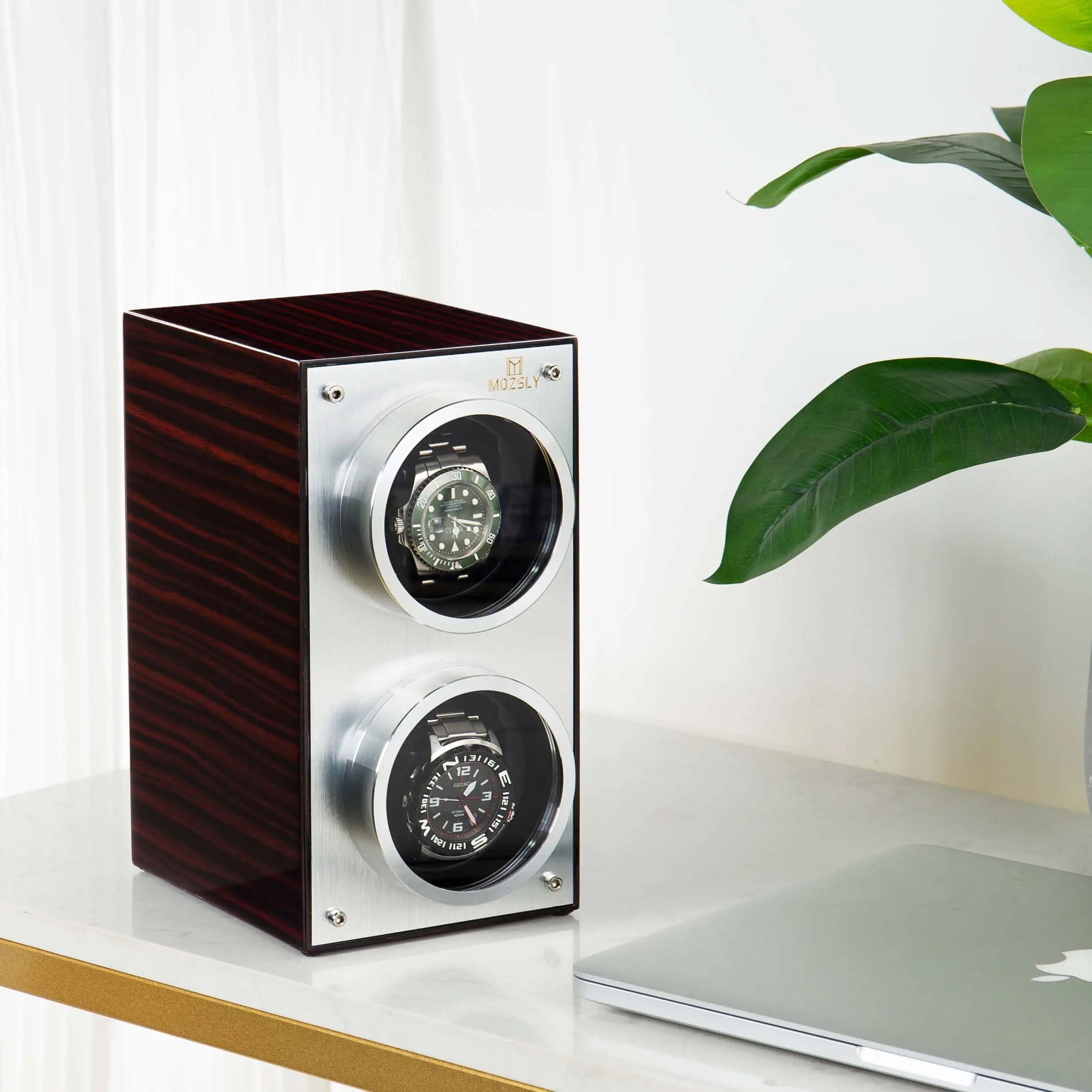
You might be thinking, “Can’t I just reset it when I want to wear it?” Absolutely! But if you own multiple automatics, especially those with complex complications like perpetual calendars, annual calendars, or moon phase displays, resetting them every time can be a tedious and time-consuming chore. A watch winder box liberates you from this hassle, keeping your collection always “on time” and ready to adorn your wrist.
The Hidden Benefits of Using a Watch Winder Box
Beyond the obvious convenience, a quality watch winder box offers several critical advantages that contribute to the longevity and optimal performance of your automatic watches.
Firstly, it preserves your watch’s internal health. Inside every automatic watch, tiny gears and pivots rely on precise lubrication. When a watch stops for extended periods, these delicate oils can coagulate or dry out, leading to increased friction and wear when the watch restarts. Regular rotation, courtesy of a watch winder, ensures these lubricants remain evenly distributed, maintaining the fluidity of the movement and reducing mechanical stress. It’s like keeping the engine oil circulating in your car – crucial for smooth operation and preventing premature wear.
Secondly, a watch winder box is a guardian of accuracy. While modern watches are robust, sudden stops and restarts can subtly impact timekeeping over the long run. By keeping your watch continuously wound, you minimize these fluctuations, ensuring your timepiece remains as accurate as the day you acquired it.
Lastly, let’s not forget the display aspect. Many watch winder boxes are exquisitely crafted pieces of furniture themselves, often made from fine wood, leather, or carbon fiber with plush interiors. They offer a sophisticated way to showcase your prized watches, turning a functional accessory into a statement piece within your home or office. As seasoned collector and horology expert, Dr. Elara Vance, once remarked, “A watch winder isn’t just a tool; it’s a silent guardian and a display pedestal, reflecting the appreciation you have for the art of timekeeping.”
Exploring the Different Types of Watch Winder Boxes
The world of watch winder boxes is diverse, catering to individual needs and collection sizes. Understanding the various types will help you pinpoint the perfect match.
Single Watch Winders
Ideal for the enthusiast with one or two automatic watches, a single watch winder is compact and discreet. These are perfect for keeping your daily wearer ready or ensuring a special occasion watch remains wound without taking up much space. They often feature minimalist designs, blending seamlessly into any decor.
Multi-Watch Winders
As your collection grows, so might your need for a multi-watch winder. These boxes are designed to house and wind two, four, six, or even eight (or more!) watches simultaneously. Each winding slot often has independent controls, allowing you to set specific TPD (Turns Per Day) and rotation directions for different watches, which is a game-changer for diverse collections. They frequently come with lockable compartments for added security, transforming them into elegant mini-vaults for your valuable timepieces.
Travel Watch Winders
For the globetrotting connoisseur, travel watch winders are compact, durable, and often battery-powered. They are designed to fit easily into luggage, ensuring your favorite automatic watch remains wound and accurate, no matter where your adventures take you. Think of them as the ultimate travel companion for your most trusted timekeeper.
How to Choose the Perfect Watch Winder Box for Your Timepiece
Selecting the right watch winder box involves a few key considerations to ensure it meets both your watch’s needs and your personal preferences.
Understanding TPD and Rotation Directions
This is perhaps the most critical technical aspect. Every automatic watch movement has specific winding requirements: a certain number of Turns Per Day (TPD) and a preferred rotation direction (clockwise, counter-clockwise, or bi-directional). Most modern watches typically need between 650 and 950 TPD. While many winders offer a range of 650 to 1800 TPD, it’s vital to check your watch’s manual or the manufacturer’s website for precise specifications. A good watch winder box will allow you to customize these settings, preventing unnecessary wear on your watch’s winding mechanism.
Power Source and Quiet Operation
Watch winders are typically powered by an AC adapter, making them suitable for home use. Some models also offer battery power, which is excellent for placing the winder inside a safe or for travel. Consider how and where you’ll use it. Additionally, a silent motor is paramount. You don’t want a noisy hum disrupting your peace, especially if the winder is in your bedroom or office. Look for winders that specify “Japanese Mabuchi motor” or “ultra-quiet operation.”
Material and Design Aesthetics
A watch winder box is often a visible accessory. Choose one that complements your style and home decor. Common materials include lacquered wood, genuine or vegan leather, and high-quality plastics. Interiors are usually lined with soft velvet or suede to protect your watches. From sleek modern designs to classic, opulent finishes, there’s a winder to suit every taste.
Capacity and Security Features
Determine how many watches you need to wind simultaneously and if you anticipate your collection growing. Also, consider security. Some multi-watch winders come with lockable glass covers or even integrated into larger safes, offering peace of mind for high-value collections.
A Step-by-Step Guide to Using Your Watch Winder Box Correctly
Using a watch winder box is straightforward, but a few steps ensure optimal performance and care for your watches:
- Mount Your Watch Securely: Gently place your automatic watch onto the winder’s cushion or holder. Ensure it sits snugly and is fully seated. Most cushions are adjustable to accommodate various strap or bracelet sizes.
- Determine Winding Specifications: Refer to your watch’s manual for its specific TPD and rotation direction. If you can’t find this information, many winder manufacturers provide comprehensive databases. As a general rule, if unsure, start with a lower TPD setting (e.g., 650-750) and bi-directional rotation.
- Set the Winder Program: Select the appropriate TPD and rotation direction on your watch winder box. Modern winders often have intuitive interfaces or pre-programmed settings.
- Initial Wind (If Watch has Stopped): Crucially, if your watch has completely stopped, manually wind it a few turns using the crown before placing it in the winder. A watch winder is designed to maintain the power reserve, not to fully wind a stopped watch from scratch.
- Power On and Observe: Turn on the winder. You might not see it spinning constantly; most quality winders operate in intermittent cycles, rotating for a period and then resting, which more accurately mimics real-world wear and prevents over-winding.
Keeping Your Investment Pristine: Tips for Watch Winder Box Maintenance
Maintaining your watch winder box is key to its longevity and aesthetic appeal.
- Regular Cleaning: Dust can accumulate, so periodically wipe down the exterior with a soft, dry cloth. For lacquered or glossy finishes, a slightly damp cloth followed by a dry one can restore shine.
- Interior Care: If your winder has a fabric-lined interior, a soft brush or a lint roller can keep it free of dust and debris, ensuring your watches rest on a pristine surface.
- Power Source: If using batteries, be mindful of their lifespan (typically 4-5 weeks for some models). If you primarily use AC power, it’s generally recommended to remove batteries to prevent potential leakage.
- Check Watch Fit: Always ensure your watches fit securely on the cushions. A loose watch can rattle or even fall, causing damage.
Debunking Common Myths About Watch Winder Boxes
Watch winders, like many specialized accessories, come with their share of misconceptions. Let’s clear the air:
Myth 1: “Watch winders cause over-winding and damage watches.”
Fact: This is largely untrue for modern automatic watches. They are equipped with a “mainspring bridle” or “slipping clutch” mechanism that prevents the mainspring from being over-wound once it reaches full tension. The winder simply maintains this tension without causing damage.
Myth 2: “My watch needs to be constantly spinning in a winder.”
Fact: Quite the opposite! Constant, non-stop spinning can put unnecessary strain on the winding mechanism. The best watch winders mimic natural wear by using intermittent rotation cycles, ensuring efficient winding while providing rest periods.
Myth 3: “All automatic watches must be kept on a winder.”
Fact: While highly beneficial, it’s perfectly fine to let your automatic watch stop if you only wear it occasionally and don’t mind resetting the time and date. Winders are most advantageous for those with multiple watches, frequently rotating their collection, or owning complicated timepieces where resetting is a chore.
Frequently Asked Questions
Q: Is a watch winder box necessary for every automatic watch?
A: Not strictly necessary for every single automatic watch, especially if you wear it daily or don’t mind resetting it. However, it’s highly recommended for multiple watches, complicated timepieces, or if you want to ensure optimal health and readiness for your collection.
Q: Can a watch winder box wind a quartz watch?
A: No, watch winders are exclusively for automatic (self-winding) mechanical watches. Quartz watches are battery-powered and do not require winding.
Q: How do I find the correct TPD and rotation direction for my watch?
A: The best source is your watch’s user manual or the manufacturer’s official website. Many reputable watch winder brands also provide extensive databases of winding specifications for various watch movements.
Q: Can I put a stopped watch directly into a winder?
A: While a winder will eventually wind a stopped watch, it’s best practice to manually wind it a few turns first using the crown. This gives the mainspring a head start and allows the winder to efficiently maintain the power reserve.
Q: How long do watch winder box batteries last?
A: Battery life varies significantly depending on the winder model, the number of watches it winds, and the battery type. Some can last a few weeks to a few months. AC power is generally recommended for continuous home use.
Q: Are watch winders noisy?
A: High-quality watch winders, especially those utilizing Japanese Mabuchi motors, are designed to operate almost silently. If a winder is noisy, it might indicate a lower-quality motor or an issue with the mechanism.
Q: Can a watch winder damage my watch’s bracelet or strap?
A: Reputable watch winders use soft, well-designed cushions to hold watches securely without causing stress or damage to bracelets or straps. Ensure the cushion fits your watch properly.
Conclusion
A watch winder box is far more than a luxury; it’s an intelligent investment for any discerning owner of automatic timepieces. It offers unparalleled convenience, ensures your watches are always ready to wear, and crucially, contributes to the long-term health and precision of their delicate movements. By understanding what a watch winder box is, how it works, and how to choose and maintain one, you empower yourself to make an informed decision that enhances your watch collecting journey. So, go ahead, give your cherished automatics the care and attention they deserve – they’ll keep ticking perfectly for years to come.